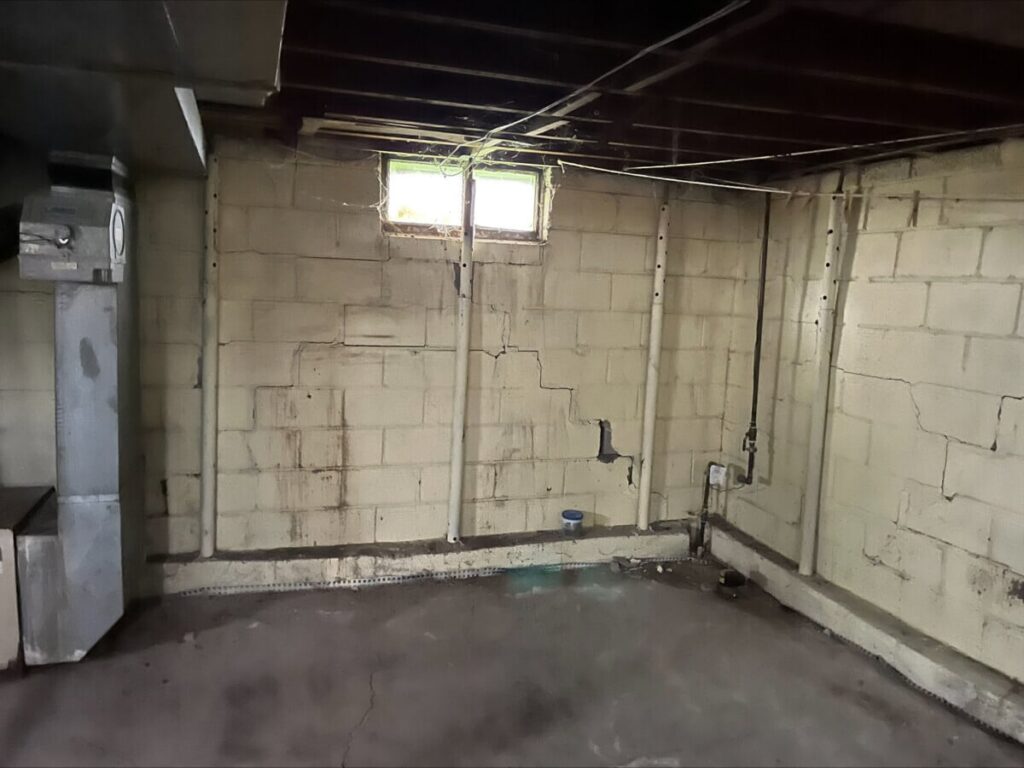
The foundation of your home is its most critical structural element. It supports the entire weight of the building and ensures that your house remains stable and secure. However, foundation problems can develop over time due to a variety of factors, including soil movement, water damage, and poor construction practices. When foundation issues arise, they must be addressed promptly to prevent further damage to your home. This article will cover the common causes of foundation problems, the signs to look for, and the most effective foundation repair methods.
Causes of Foundation Issues
Several factors can contribute to foundation problems, some of which are beyond the control of homeowners. Understanding these causes can help you prevent issues before they become severe.
1. Soil Movement and Expansion
Different types of soil expand and contract depending on their moisture content. Expansive soils, such as clay, are especially problematic for foundations because they swell when wet and shrink when dry. This constant movement puts pressure on the foundation, leading to cracks, settling, and shifting.
2. Water Damage
Water is one of the most common causes of foundation problems. When water pools around the foundation due to poor drainage, it can erode the soil, weaken the foundation, and lead to cracks. Excess water can also cause the soil to expand, putting additional pressure on the foundation walls.
3. Poor Construction Practices
If the foundation of your home was not built with adequate reinforcement or was set on poorly compacted soil, it may be more prone to problems. Inadequate concrete mixes, improper reinforcement, or insufficient depth can cause the foundation to weaken over time.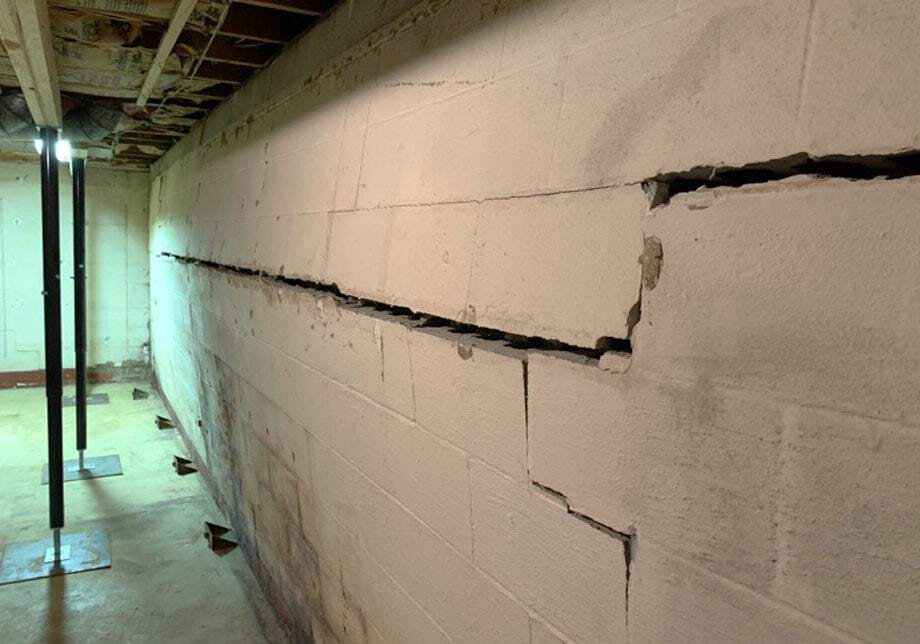
4. Natural Disasters
Earthquakes, floods, and other natural disasters can cause sudden shifts in the ground, leading to significant damage to the foundation. Even small seismic events can cause hairline cracks that worsen over time.
5. Tree Roots
Trees planted too close to the foundation can also cause issues. As tree roots grow, they can absorb moisture from the soil, causing the foundation to settle unevenly. In some cases, the roots may even push against the foundation walls, causing cracks.
Signs of Foundation Damage
Recognizing the signs of foundation damage early is crucial to preventing costly repairs down the road. Common indicators include:
- Cracks in Walls or Floors: Foundation movement often leads to cracks in the interior walls, especially near windows, doors, and corners. Vertical, horizontal, or stair-step cracks are all signs of potential foundation issues.
- Sticking Doors and Windows: If doors and windows suddenly become difficult to open or close, it may be due to foundation settlement causing the frames to shift.
- Uneven Floors: A sinking or settling foundation can cause floors to become uneven, leading to noticeable slopes or dips in certain areas of the home.
- Bowing Walls: In basements, walls may bow inward due to excessive pressure from the surrounding soil. This is a sign of severe foundation issues that require immediate attention.
- Gaps Around Windows or Doors: Shifting foundations often lead to gaps between walls and frames, allowing drafts and water to enter the home.
Foundation Repair Methods
The appropriate method for foundation repair depends on the severity of the damage and the specific cause. Below are some of the most common repair techniques used by professionals.
1. Patching and Sealing Cracks
For minor cracks, sealing them with epoxy or polyurethane is a common first step. These materials prevent water from entering the foundation and causing further damage. However, this is usually only a temporary solution and may not address the root cause of the problem.
2. Piering and Underpinning
Piering involves driving steel or concrete piers deep into the ground to provide support for the foundation. This method is particularly useful for homes built on unstable or shifting soil. Once the piers reach stable ground, they can be used to lift and stabilize the foundation.
Underpinning is another method used to strengthen an existing foundation by extending its depth or breadth. This can be done by adding additional concrete or using steel reinforcements.
3. Slab Jacking
Slab jacking is used to lift sunken sections of concrete back to their original level. This method involves drilling small holes into the sunken slab and injecting a grout mixture underneath. The grout fills the void beneath the slab, raising it back to its proper position. Slab jacking is commonly used for driveways, patios, and concrete floors, but it can also be effective for stabilizing certain types of foundations.
4. Helical Piers
Helical piers are screwed into the ground to provide additional support for a foundation. These piers are particularly useful in areas with soft or unstable soil. The helical design allows them to be driven deep into the earth until they reach a stable layer of soil or bedrock. Once installed, helical piers can be used to lift and stabilize the foundation, preventing further settling or movement.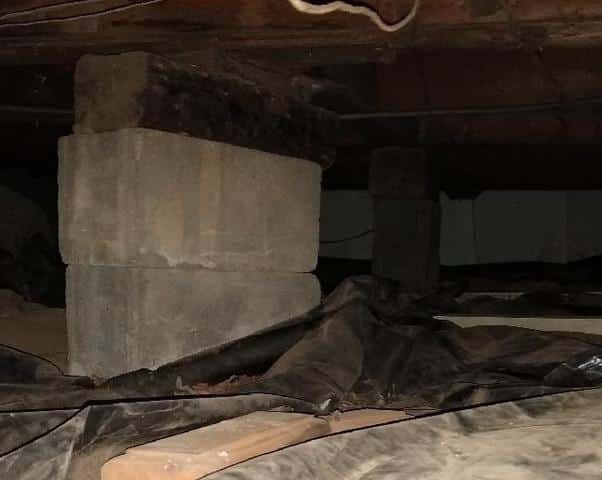
5. Wall Anchors
For homes with bowing or bulging basement walls, wall anchors can be installed to stabilize the structure. Wall anchors work by inserting steel rods through the wall and anchoring them in the surrounding soil. Plates are then attached to the interior walls, and the anchors are tightened to pull the walls back into alignment. This method is effective for homes where lateral pressure from the surrounding soil is causing walls to bow inward.
6. Carbon Fiber Reinforcement
In some cases, carbon fiber strips can be applied to the interior walls of a basement to reinforce them. Carbon fiber is incredibly strong and lightweight, making it a suitable option for stabilizing walls that are bowing or cracking due to foundation pressure. These strips are adhered to the walls using high-strength epoxy, providing a permanent solution to wall movement.
Costs of Foundation Repair
The cost of foundation repair varies widely depending on the severity of the damage, the size of the home, and the repair method used. Minor crack repairs may cost a few hundred dollars, while extensive foundation work involving piers or wall anchors can range from several thousand to tens of thousands of dollars. It’s important to obtain multiple estimates from reputable contractors and have a thorough inspection of the foundation to determine the exact cause of the damage.
Long-Term Benefits of Foundation Repair
Investing in foundation repair offers several long-term benefits that go beyond just fixing visible cracks. These include:
- Protecting Your Home’s Structural Integrity: A strong, stable foundation ensures that the rest of your home remains structurally sound. Addressing foundation issues promptly prevents further damage to walls, floors, and ceilings.
- Preventing Future Issues: Repairing the foundation now can help avoid more significant and costly problems down the road. Foundation movement can cause a ripple effect throughout the home, leading to misaligned doors, cracked walls, and plumbing issues.
- Increasing Home Value: A home with a repaired and stable foundation is more appealing to potential buyers. Homes with unresolved foundation problems are often more difficult to sell and may be subject to lower offers.
- Improved Energy Efficiency: Foundation issues can lead to gaps and cracks that allow air to escape, making it more difficult to heat and cool your home. Repairing the foundation can improve energy efficiency, reducing heating and cooling costs.
- Peace of Mind: Knowing that your home’s foundation is secure provides peace of mind for you and your family. You won’t have to worry about future structural issues or the safety of your home.
Preventing Future Foundation Damage
While some foundation problems are unavoidable due to natural soil movement or aging, there are steps homeowners can take to minimize the risk of future foundation damage:
- Improve Drainage: Ensure that water drains away from your home’s foundation. This can be done by installing gutters, downspouts, and French drains to redirect water. Additionally, the soil around the home should be sloped away from the foundation to prevent water from pooling.
- Maintain Consistent Moisture Levels: In areas with expansive soil, it’s important to maintain consistent moisture levels around the foundation. During dry periods, watering the soil around the home can prevent excessive shrinking, while proper drainage prevents over-saturation during wet periods.
- Monitor Trees and Landscaping: Avoid planting large trees too close to the foundation. Their roots can absorb water from the soil, leading to settling, or in some cases, directly damage the foundation. If trees are already present, consider root barriers to prevent them from affecting the foundation.
- Regular Inspections: Conduct regular inspections of your home’s foundation, especially after significant weather events like heavy rainfall or droughts. Catching small cracks or movement early can help prevent larger issues from developing.
Foundation repair is a vital aspect of maintaining the structural integrity and safety of your home. By understanding the causes of foundation issues, recognizing the signs of damage, and implementing the appropriate repair methods, homeowners can protect their property from significant damage and avoid costly future repairs. Whether it’s through piering, slab jacking, wall anchors, or carbon fiber reinforcement, addressing foundation problems early ensures your home remains stable and secure for years to come. In addition to increasing the value of your home, foundation repair offers peace of mind and protects the well-being of your family.
Contact the Professionals at Accurate Basement Repair Today! 414-744-6900