

A basement can be a versatile space in your home, serving as a storage area, an additional living space, or a utility room. However, its below-ground location makes it highly susceptible to water intrusion, which can lead to serious problems such as mold growth, structural damage, and poor indoor air quality. Ensuring a dry basement is crucial for maintaining the health and safety of your home. This article will explore various strategies and solutions for effective basement waterproofing.
Identifying Basement Water Issues
Before implementing waterproofing measures, it’s essential to identify the root causes of basement water issues. Common problems include: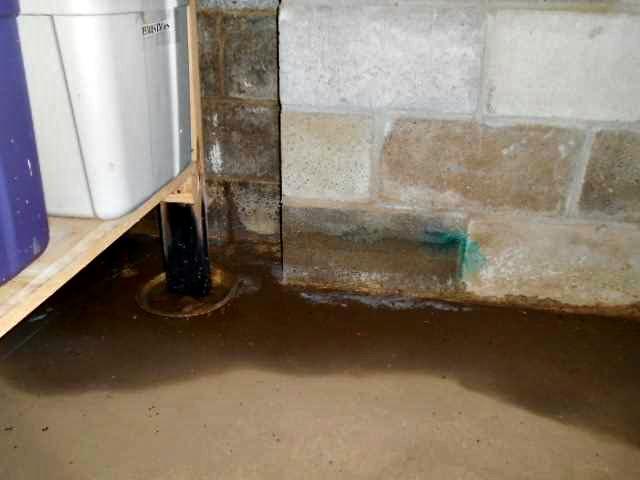
- Hydrostatic Pressure: Water in the soil surrounding the basement exerts pressure on the walls and floor, forcing water through cracks and porous materials.
- Poor Drainage: Inadequate exterior drainage systems, such as clogged gutters or downspouts, can lead to water pooling around the foundation.
- Cracks in Foundation: Structural issues or settling can cause cracks in the foundation, providing a direct pathway for water intrusion.
- Condensation: High humidity levels inside the basement can cause condensation on walls and floors, contributing to moisture problems.
- Leaky Windows and Doors: Improperly sealed or installed windows and doors can allow water to seep into the basement.
Exterior Waterproofing Techniques
Exterior waterproofing involves addressing water issues from the outside of the home. This method is often considered the most effective but can be more costly and invasive.
- Excavation and Foundation Sealing:
- Process: Excavating the soil around the foundation, cleaning the walls, and applying a waterproof membrane or sealant.
- Materials: Bituminous membrane, elastomeric coatings, or rubberized asphalt.
- Benefits: Provides a robust barrier against water intrusion and protects the structural integrity of the foundation.
- Installing Drainage Systems:
- French Drains: A perforated pipe installed along the perimeter of the foundation to redirect water away from the house.
- Exterior Drainage Channels: Channels built around the foundation to collect and divert water.
- Benefits: Effectively reduces hydrostatic pressure and prevents water from accumulating around the foundation.
- Grading and Landscaping:
- Process: Ensuring the ground slopes away from the foundation to direct water away from the house.
- Materials: Soil, mulch, and appropriate plants.
- Benefits: Prevents water pooling around the foundation and reduces the risk of water intrusion.
Interior Waterproofing Techniques
Interior waterproofing addresses water issues from within the basement. While it doesn’t stop water from entering the foundation, it manages water that has already infiltrated.
- Sealants and Coatings:
- Process: Applying waterproof paints or sealants to interior walls and floors to create a moisture barrier.
- Materials: Epoxy, acrylic, or latex-based sealants.
- Benefits: Quick and cost-effective solution for minor water issues and condensation problems.
- Interior Drainage Systems:
- Sump Pumps: Installed in a sump pit to collect and pump out water that has entered the basement.
- Interior French Drains: Installed along the perimeter of the basement floor to channel water to the sump pump.
- Benefits: Provides an effective way to manage water and prevent flooding.
- Vapor Barriers:
- Process: Installing plastic sheets or membranes on walls and floors to prevent moisture from seeping into the basement.
- Materials: Polyethylene sheets or vapor barrier paint.
- Benefits: Reduces moisture and helps control humidity levels in the basement.
Preventive Measures and Maintenance
Effective basement waterproofing involves ongoing maintenance and preventive measures to ensure long-term success.
- Regular Inspections:
- Check for Cracks: Regularly inspect walls and floors for cracks and promptly repair any found.
- Monitor Humidity Levels: Use a hygrometer to keep humidity levels in check and run dehumidifiers if necessary.
- Gutter and Downspout Maintenance:
- Clean Gutters: Ensure gutters are free of debris and functioning correctly.
- Extend Downspouts: Extend downspouts away from the foundation to prevent water from pooling around the house.
- Landscaping Care:
- Maintain Grading: Regularly check and maintain the slope of the ground around the foundation.
- Plant Appropriately: Use plants that require minimal watering and avoid planting trees too close to the foundation.
Advanced Waterproofing Techniques
For homes with persistent water issues or those located in areas with high water tables, advanced waterproofing techniques may be necessary.
- Bentonite Clay Panels:
- Process: Installing panels made from bentonite clay against the foundation walls.
- Benefits: When wet, bentonite clay expands to form an impermeable barrier, effectively blocking water.
- Sheet Membranes:
- Process: Applying large, adhesive-backed sheets to the exterior foundation walls.
- Benefits: Provides a continuous, flexible barrier that adapts to minor foundation shifts.
- Chemical Grouting:
- Process: Injecting chemical grouts into soil around the foundation to create a waterproof barrier.
- Benefits: Fills voids and cracks in the soil, preventing water from reaching the foundation.
- Geo-Composite Drainage Systems:
- Process: Installing composite drainage boards with filter fabrics against foundation walls.
- Benefits: Facilitates drainage and protects waterproofing membranes from damage.
Case Studies: Successful Waterproofing Projects
- Residential Home in Flood-Prone Area:
- Challenges: Frequent flooding, high water table, and poor soil drainage.
- Solutions: Combination of exterior sheet membranes, interior sump pumps, and advanced grading.
- Outcome: Complete elimination of basement water issues and enhanced home value.
- Historic Home with Foundation Issues:
- Challenges: Crumbling foundation, multiple cracks, and water seepage.
- Solutions: Epoxy injections, bentonite clay panels, and comprehensive interior drainage.
- Outcome: Restored structural integrity and a dry, usable basement space.
- Modern Home with Persistent Humidity:
- Challenges: High indoor humidity leading to mold growth and condensation.
- Solutions: Smart dehumidifiers, vapor barriers, and improved ventilation.
- Outcome: Controlled humidity levels and a healthier living environment.
Ensuring a dry basement is essential for maintaining a healthy, functional, and valuable home. By understanding the causes of water problems and implementing effective solutions, homeowners can protect their investments and enhance their living environments. Regular maintenance and preventive measures are key to the long-term success of waterproofing efforts. Advanced technologies and innovative solutions provide comprehensive protection, making basement waterproofing a wise investment for any homeowner.
Contact the Professionals at Accurate Basement Repair Today! 414-744-6900