Protect Your Family

Protect Your Family from the Dangers of Radon

Radon is a radioactive gas that can enter your home without warning. It has no smell, no color, and no immediate symptoms, but it is the second leading cause of lung cancer in the United States. The longer it goes undetected, the more it puts your family’s health at risk. This is especially true in basements, finished lower levels, and homes with poor ventilation.

At Accurate Basement Repair, we install radon mitigation systems that reduce exposure and bring indoor levels within safe, EPA-recommended limits. Whether you’re planning to finish a basement, preparing to sell, or simply want cleaner air at home, our certified radon mitigation contractors will guide you through the process with clear recommendations and lasting results.

If you’re searching for a radon mitigation contractor near me, we’re here to help.
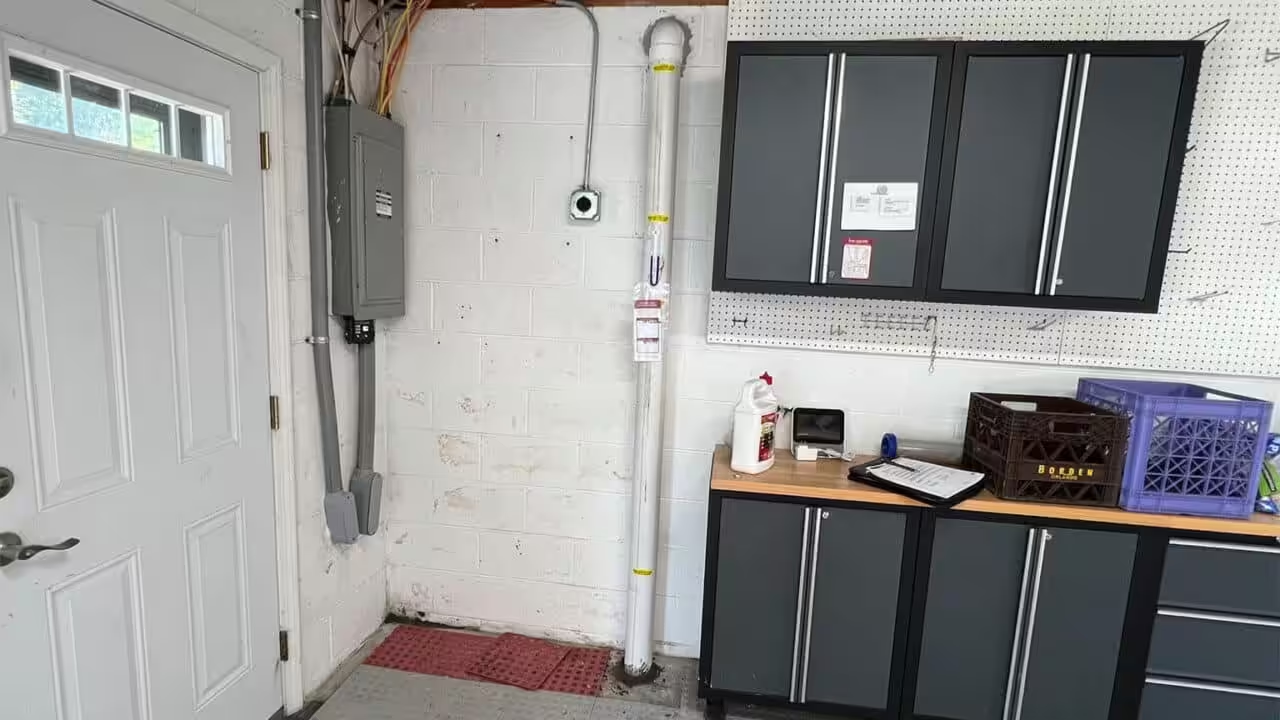
A radon vent pipe routed through a garage or basement
A radon vent pipe after installation
  • Fair & Honest Pricing

  • Experience You Can Trust

  • 100% Financing available

  • Licensed, bonded, and insured

  • No Sales Games

  • Industry-leading warranties and guarantees

  • Recommended by Your Neighbors

  • A+ BBB Rating

  • Fair & Honest Pricing

  • Experience You Can Trust

  • 100% Financing available

  • Licensed, bonded, and insured

  • No Sales Games

  • Industry-leading warranties and guarantees

  • Recommended by Your Neighbors

  • A+ BBB Rating

The Risks of Radon

Radon is The Risk You Can’t See, But Shouldn’t Ignore

Why Radon Poses a Serious Health Threat

  • Over 21,000 radon-related lung cancer deaths every year (EPA)
  • Risk increases with long-term exposure, especially in children
  • No symptoms, no smell, only testing can reveal it
  • It can accumulate in any home, regardless of age or type
  • Found most often in basements and lower levels

Why You Shouldn’t Wait

Radon exposure is cumulative, meaning each day of delay adds to the risk. Unlike mold or water damage, there are no warning signs until it’s too late.

If your home hasn’t been tested, or your radon levels are above 4.0 pCi/L, it’s time to act.

Risk Factors

Is Your Home Showing These Radon Risk Factors?

You can’t see, smell, or feel radon, but certain conditions make your home more likely to have dangerous levels:

High-Risk Home Features

  • Basement or crawl space with exposed soil
  • Foundation cracks or gaps around pipes and utilities
  • Sump pump wells without proper sealing
  • Stone or block foundations (more porous than poured concrete)
  • Homes in the Great Plains and the Appalachian Mountains from Northern Alabama up to Maine  – known for elevated radon levels

You Need Professional Testing If:

  • You’ve never tested your home for radon
  • It’s been over 2 years since your last test
  • You’re finishing a basement or creating new living spaces
  • You’re buying or selling your home
  • Neighbors have found elevated radon levels
  • Your pets display symptoms related to exposure

Warning Signs in Your Area

  • New construction nearby is disturbing the soil
  • Well water usage (can increase radon levels)
  • Granite countertops or stone building materials
  • Energy efficiency improvements that seal air leaks

The EPA recommends ALL homes be tested, regardless of risk factors.

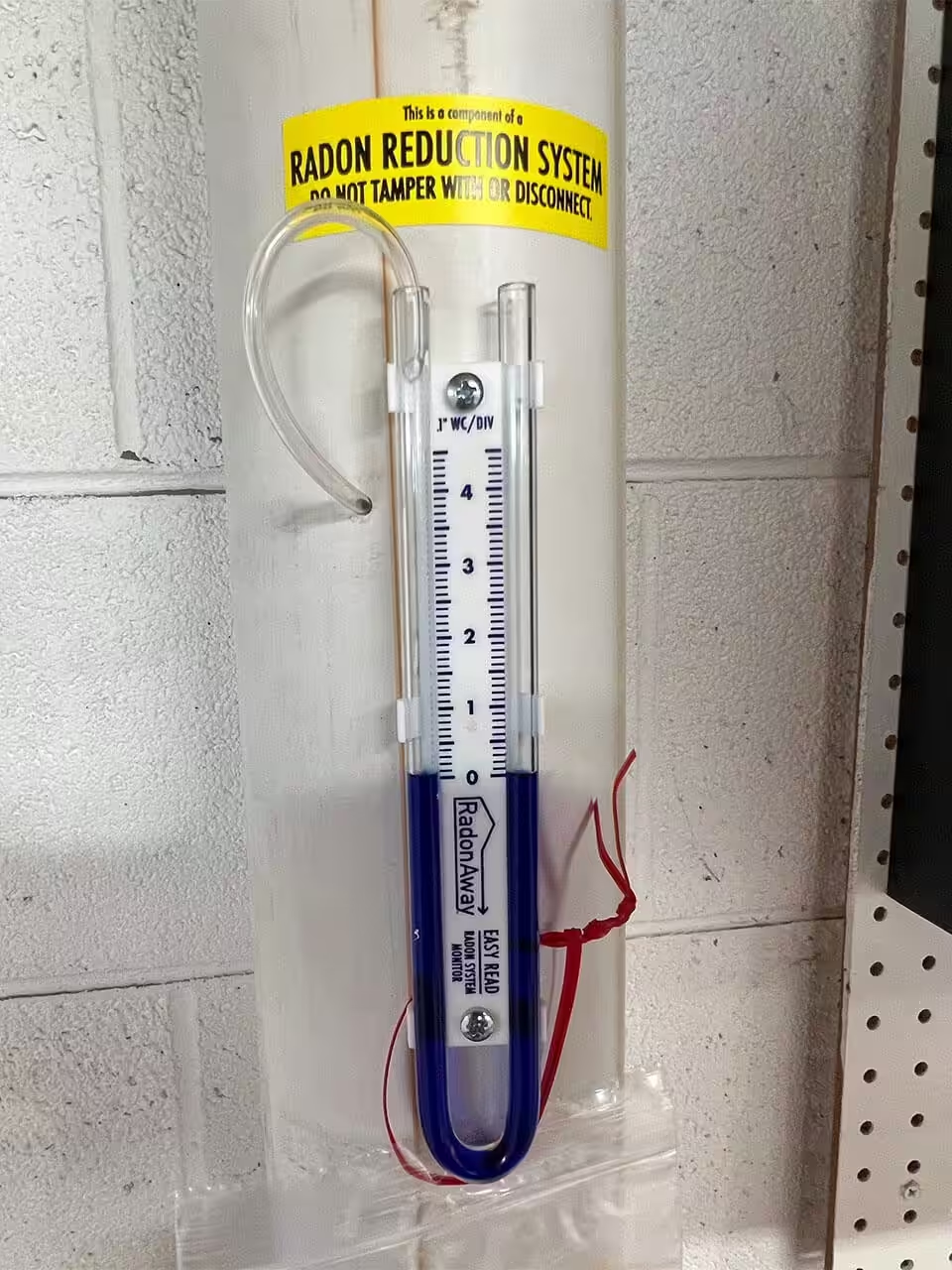
A component of a radon mitigation system that says do not tamper with
How Mitigation Works

How Radon Mitigation Works

A radon mitigation system is designed to draw radon gas from beneath your home and safely vent it outside, where it can’t accumulate indoors. Most systems work by installing a vent pipe through the foundation and connecting it to a fan that runs continuously.

Here’s what the process typically includes:

  • Sealing entry points such as foundation cracks, sump lids, and gaps in floors or walls
  • Installing a vent pipe that routes radon gas from beneath your home to above the roofline
  • Adding a fan unit to create suction and keep radon moving safely out of the house
  • Testing after installation to confirm that radon levels have dropped to safe thresholds

By continuously removing radon, these systems help maintain healthier indoor air and protect your family’s long-term health.

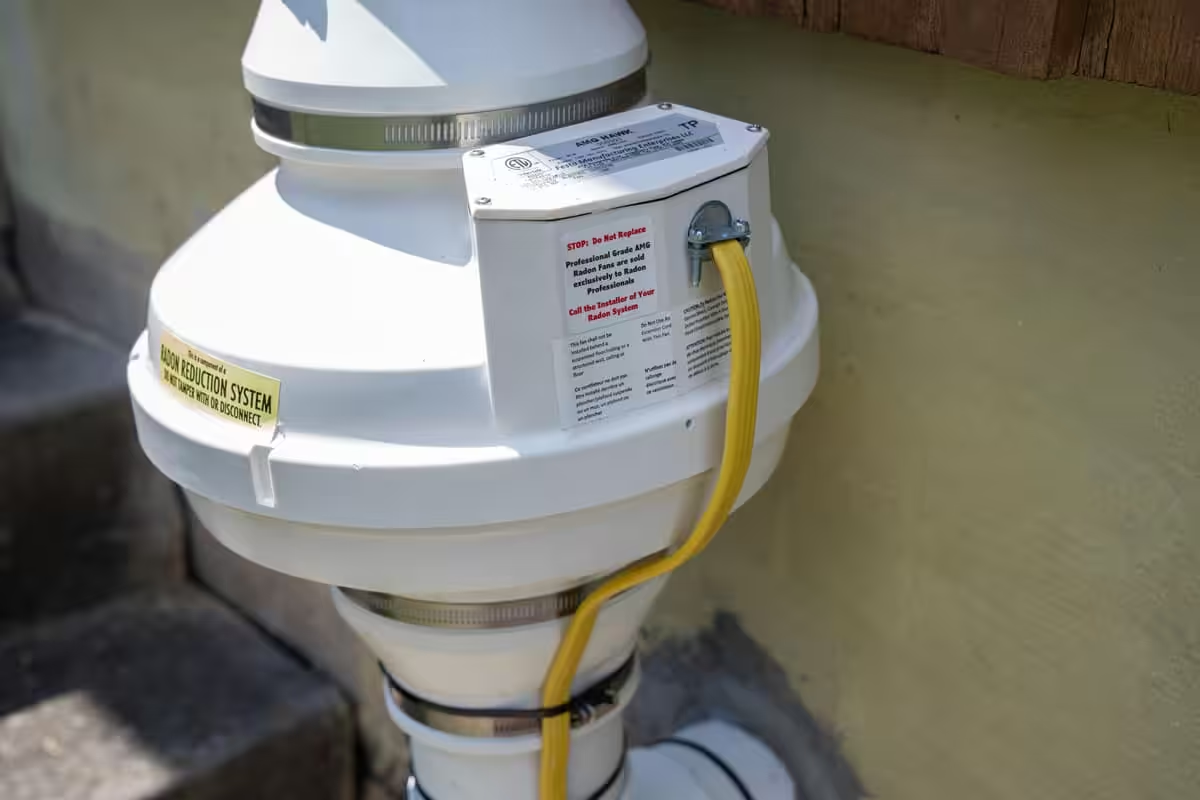
An outdoor component of a radon mitigation system
Where Radon Comes From

Where Radon Comes From

Radon is a colorless, odorless gas released as uranium in the soil, rock, and groundwater naturally breaks down. While it occurs everywhere, the way it enters and concentrates inside a home depends on your property’s unique conditions.

The most common entry points include:

  • Foundation cracks and gaps: Even hairline openings in slabs, basement floors, or foundation walls can allow radon to pass through.
  • Crawl spaces with exposed soil: Open ground beneath your home can be a direct pathway for radon release.
  • Gaps around utility lines and sump pits: Plumbing penetrations, floor drains, or unfinished sump wells create easy access points.
  • Porous building materials: In some cases, radon can pass through certain types of concrete or stone.

Once inside, radon becomes trapped, especially in lower levels where ventilation is limited. Over time, levels can rise to dangerous concentrations without any visual signs or odors. Because radon is undetectable without testing, many homeowners live with unsafe exposure for years without realizing it.

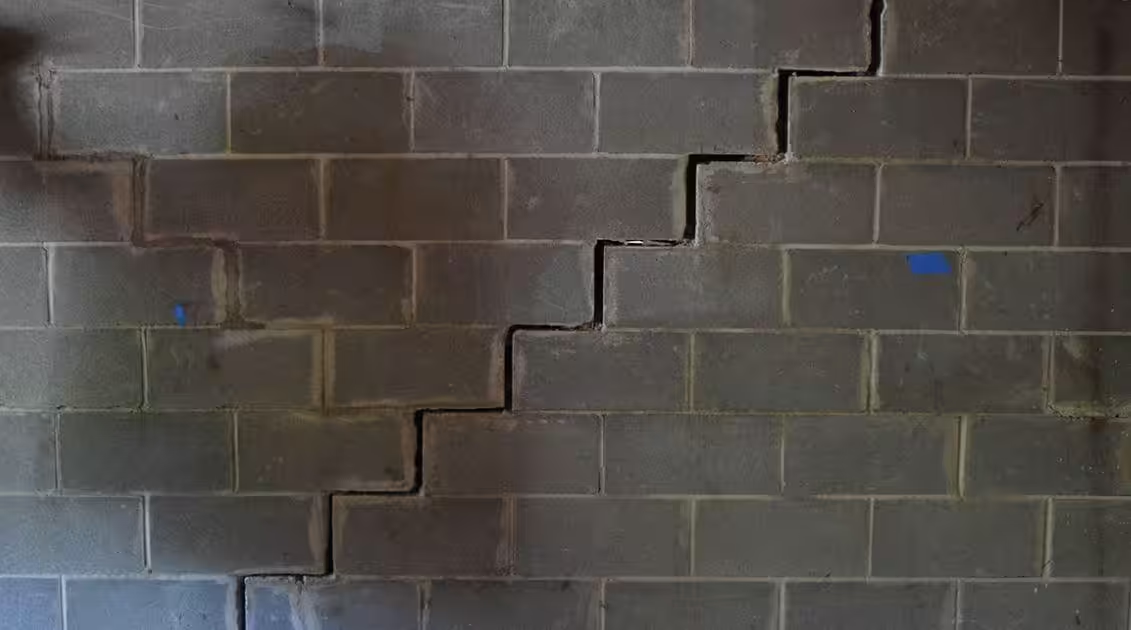
A cracked basement or foundation wall, showing stair-step cracks
Cracks in a home's foundation are a very common way for radon gas to enter
Cost

What Does Radon Mitigation Cost?

Every home in Milwaukee, WI requires a customized approach, and several factors influence your investment in radon mitigation:

What Affects Your Investment?

  • Foundation type – Slab, basement, crawl space, or combination
  • Home size and layout – Square footage and number of levels
  • Existing foundation conditions – Cracks, utility penetrations, accessibility
  • Soil conditions – Type and permeability around your foundation
  • Current radon levels – Higher levels may require more robust systems
  • Additional sealing needed – Extent of foundation repairs required

Financing Options Available

We offer flexible financing to make radon mitigation affordable for every family. Don’t let cost prevent you from protecting your family’s health.

Remember: The cost of mitigation is minimal compared to the potential health consequences of long-term radon exposure.

Happy customer posing in front of their home after foundation repair and waterproofing services
Google logo

834+

5-Star Reviews

Facebook logo

50+

5-Star Reviews

Angi logo

183+

5-Star Reviews

BBB Accredited Business

5+

5-Star Reviews

Why Trust Accurate Basement Repair

Why Homeowners in Milwaukee, WI Choose Accurate Basement Repair

When it comes to radon mitigation, experience matters. For over 18, homeowners have trusted Accurate Basement Repair to protect their homes from the ground up. Our licensed specialists understand how radon behaves in different soil types, foundation styles, and climates. That knowledge allows us to design systems that are both effective and long-lasting.

We use proven mitigation techniques, high-quality materials, and post-install testing to confirm that your system is working properly. You’ll get honest recommendations, detailed pricing, and clear communication from start to finish.

If you’re looking for a radon mitigation company that puts your safety first, contact Accurate Basement Repair today to schedule your inspection.

Get Your FREE Radon Inspection

Take the First Step Toward a Safer, Healthier Home

Radon is a silent threat that can put your family’s health at risk. But with the right mitigation system in place, you can reduce exposure and protect your home for years to come.

At Accurate Basement Repair, our certified specialists design radon mitigation systems that meet EPA standards, fit your home’s unique needs, and deliver results you can trust.

Contact us today to schedule your free inspection with a trusted radon mitigation company near you. We’ll test your home, explain your options, and install a system that keeps your air cleaner and your family safer.

Get Your FREE Radon Inspection
FAQs

Frequently Asked Questions

The Environmental Protection Agency recommends action when radon levels reach or exceed 4.0 picocuries per liter (pCi/L). Even levels below that threshold can pose a risk with long-term exposure, so it’s always worth testing and evaluating your options.

Most systems can be installed in a single day. After installation, a short waiting period is required before post-mitigation testing is performed to confirm that the system is working effectively.

Yes. Follow-up testing ensures the system is reducing radon to safe levels. It’s also recommended to retest every two years, after major renovations, or if the system has been altered.

Radon systems must be properly designed and installed to be effective. DIY approaches often miss key sealing steps or fail to maintain proper airflow. A licensed radon mitigation contractor will ensure compliance with EPA and state guidelines.

In many cases, yes. Buyers are more likely to trust a home with a professionally installed mitigation system already in place. Some states also require radon disclosure during a sale, so addressing the issue ahead of time can prevent delays.

Yes. Finished basements are often more vulnerable to radon exposure due to enclosed air and lower ventilation. Testing should always be performed before major renovations, especially in lower levels of the home.