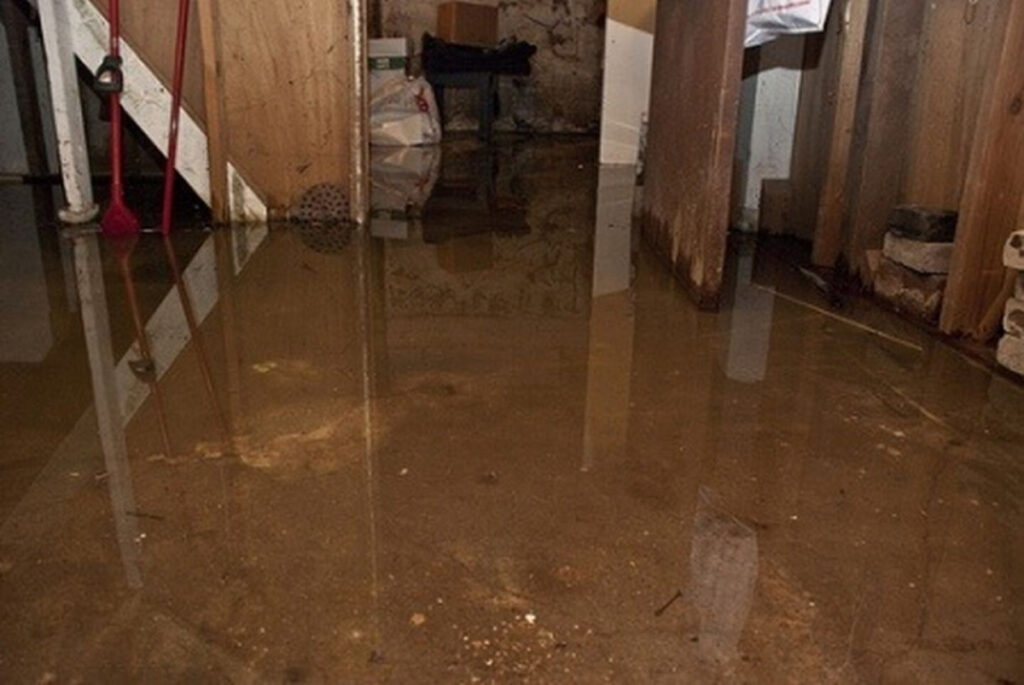
Ever thought about how basement waterproofing could impact your home’s value? Here’s the thing, it’s not just about preventing that damp, musty smell. Waterproofing your basement can ward off serious structural damage caused by moisture, and even help to improve the overall air quality in your home. But, how exactly does that work and what other benefits might you be missing out on? Stick around, as we unpack these aspects and more, and help you understand why this simple preventative measure is a wise investment for your home.
Key Takeaways
- Basement waterproofing prevents costly repairs from moisture damage, protecting your home’s financial value.
- Waterproofed basements often sell at higher prices and faster, enhancing the property’s resale value.
- Waterproofing techniques like drainage systems and sump pumps maintain the home’s structural integrity, preserving its worth.
- By improving air quality and comfort, waterproofing contributes to a healthier, more desirable living environment, boosting property value.
- Energy efficiency from waterproofing can lower heating and cooling costs, possibly reduce insurance premiums, and increase property attractiveness, thereby protecting home value.
Understanding Basement Waterproofing
Diving into the realm of basement waterproofing, it’s essential to grasp the basics. You’re not just fighting against occasional puddles; you’re standing guard against basement moisture that can stealthily erode your home’s value over time.
Firstly, understand the enemy. Basement moisture isn’t a singular entity. It’s a combination of condensation, runoff, and groundwater swells. Each of these threats requires different countermeasures. But don’t worry, you’re not alone in this fight. Expert solutions are at your fingertips.
Consider drainage solutions as your first line of defense. They’re designed to channel water away from your home, reducing the risk of it infiltrating your basement. French drains are a popular option, but they’re not the only game in town. Depending on your home’s specific needs, you might opt for footing drains, downspout and gutter systems, or even sump pumps.
Next, think about sealants. These act as a barrier, keeping moisture at bay. They can be applied to both the interior and exterior of your basement walls, providing an extra layer of protection against moisture infiltration.
The Cost of Ignoring Water Damage
Over time, neglecting water damage to your basement can have serious financial repercussions. You might think you’re saving money by overlooking a minor leak, but the long-term consequences can be far costlier.
Unaddressed water damage can lead to mold growth, often requiring expensive remediation to ensure your home is safe and healthy. Additionally, persistent dampness can cause foundation issues. The repair costs for these can run into thousands and, in extreme cases, could even render your home uninhabitable.
Moreover, water damage can result in property depreciation. Prospective buyers are likely to be deterred by a damp basement, leading to resale complications. Even if you can find a buyer, you’ll likely have to lower your asking price to account for any necessary repairs.
Pest infestations are another costly consequence of water damage. Damp environments attract a variety of unwanted visitors, from insects to rodents, and extermination can be an additional expense.
Ignoring water damage doesn’t save you money; in fact, it’s a ticking financial time bomb. Waterproofing your basement isn’t just about protecting your home; it’s an investment in maintaining and potentially increasing its value.
Waterproofing Methods and Techniques
Now let’s get down to brass tacks and delve into the various waterproofing methods and techniques available.
These methods are designed to protect your basement and, ultimately, your home’s value. They include interior drainage, exterior seals, sump pumps, vapor barriers, foundation coatings, grading solutions, landscaping adjustments, and wall treatments.
- Interior Drainage: This method involves installing specific drainage systems inside your basement to direct water away from your home.
- Exterior Seals: Here, a waterproof coating or membrane is applied to the outside of your basement walls, acting as a barrier to prevent water infiltration.
- Sump Pumps: These are installed in the lowest part of your basement to collect and pump out water that accumulates.
- Vapor Barriers: These are plastic or foil sheets, which help to prevent moisture from seeping into your basement walls.
- Foundation Coatings: These are applications that are used to seal the foundation of your house, preventing water from seeping in.
Additionally, grading solutions and landscaping adjustments can redirect water away from your home.
Wall treatments, on the other hand, can prevent moisture absorption.
Using these techniques, you can ensure your basement remains dry and your home’s value protected.
Increase in Home Resale Value
Having a dry, well-maintained basement isn’t just about avoiding the headache of water damage. It’s a strategic move that directly influences your home’s resale value. When you invest in basement waterproofing, you’re also investing in your home’s future market demand.
Let’s look at this in numbers. Below is a hypothetical comparison of homes with and without waterproofed basements:
| Aspect | Home without Waterproofing | Home with Waterproofing |
|---|---|---|
| Resale Price | $250,000 | $275,000 |
| Time on Market | 60 days | 45 days |
| Buyer Interest | Moderate | High |
| Future Repair Costs | High | Low |
From the table, it’s clear that a waterproofed basement contributes to a higher resale price, quicker sale, and stronger buyer interest. This isn’t surprising considering the current resale trends.
You see, buyers appreciate homes that are well-maintained and pose less risk of future repair costs. In contrast, a damp, neglected basement can be a deal-breaker. So remember, basement waterproofing isn’t an expense, it’s a valuable investment that can yield significant returns when you’re ready to sell.
Protecting Your Home’s Structural Integrity
One critical benefit of basement waterproofing that can’t be overstated is its role in safeguarding your home’s structural integrity.
Water damage can lead to serious issues for your home, compromising the foundation stability and overall longevity of your property.
Here are some ways in which basement waterproofing protects your home’s structural integrity:
- Foundation Stability: Waterproofing seals off any potential entry points for water, ensuring the soil around your foundation remains stable and dry.
- Moisture Control: It limits the amount of moisture that can seep into your basement, reducing the risk of mold and mildew growth, which can degrade your home’s structure.
- Prevents Cracks and Leaks: By keeping water away from your home’s foundation, it reduces the chances of developing cracks and leaks that can cause significant damage.
- Prevents Soil Erosion: Waterproofing your basement can prevent soil erosion around your home, which can lead to foundation instability.
- Preserves Building Materials: It keeps your home’s building materials dry, preventing them from deterioration caused by water damage.
Energy Efficiency Benefits
You may not be aware, but waterproofing your basement can significantly boost your home’s energy efficiency.
This is achieved by reducing heat loss, leading to lower monthly utility bills, enhancing indoor comfort levels, and preventing overuse of your HVAC system.
Lowering Monthly Utility Bills
Basement waterproofing can dramatically reduce your monthly utility bills, providing an energy efficiency benefit that’s often overlooked.
By mitigating the possibility of dampness and moisture, you’ll gain control over your energy savings in ways you may not have imagined.
Here’s how:
- Less Humidity: Waterproofing your basement helps in moisture control, reducing the humidity level in your home. Lower humidity means your air conditioner won’t have to work as hard, leading to significant energy savings.
- Preventing Mold Growth: Damp basements are a breeding ground for mold. By waterproofing, you eliminate this risk, decreasing the need for energy-consuming dehumidifiers.
- Improved Insulation: A dry basement acts as a better insulator, reducing the amount of heat loss during winter and keeping your home cooler in the summer.
- Decreased HVAC Usage: With improved insulation, the demand on your HVAC system lessens, reducing energy usage and lowering your utility bills.
- Long-term Savings: The energy savings from basement waterproofing can add up over time, making it a wise investment that pays for itself.
Enhancing Indoor Comfort Levels
Experience the difference that a waterproofed basement can make in your home’s overall comfort. This process is more than just a defense against potential water damage—it’s a proactive step towards enhancing your indoor comfort levels.
Firstly, let’s delve into the impact on indoor air quality. When your basement is damp, it becomes a breeding ground for mold and mildew. These spores can travel through your home, reducing the quality of the air you breathe. Waterproofing your basement eliminates this problem, effectively preventing the proliferation of these harmful organisms.
Secondly, consider the benefits of moisture control. A dry basement means less humidity inside your home. During warmer months, this can significantly improve your comfort. It also prevents moisture-induced damage to your home’s structure and your personal belongings, giving you peace of mind.
Moreover, a waterproofed basement creates a more stable indoor temperature. Without the cold dampness seeping in from an unsealed basement, your home’s temperature is easier to control. This aspect is particularly beneficial in the colder months.
In essence, basement waterproofing is an investment that protects not only your home’s value but also your comfort and well-being.
Reducing HVAC System Overuse
In addition to enhancing your indoor comfort, waterproofing your basement can also lead to significant energy efficiency benefits, particularly by reducing overuse of your HVAC system.
When you waterproof your basement, you’re essentially sealing off potential entry points for damp, cold air, which can cause your HVAC to work harder than necessary to maintain a comfortable temperature.
- Waterproofing minimizes the amount of cold, damp air that enters your home, reducing the need for your heating system in the colder months.
- It also aids in humidity control, by preventing moisture from seeping into your home and causing your air conditioning to run excessively in the warmer months.
- By reducing the workload on your HVAC system, you’re also extending its lifespan and potentially saving on costly repairs or replacements down the line.
- Improved ventilation systems are a further benefit, as they can better circulate air throughout your home when they’re not constantly battling against damp, cold air.
- Lastly, by using less energy to heat and cool your home, you’re reducing your carbon footprint, contributing to a more sustainable environment.
Health Benefits of a Dry Basement
With a dry basement, you can significantly improve the overall health of your household. This is largely due to two key factors: mold prevention and enhanced air quality.
When it comes to mold prevention, a dry basement is your best ally. Damp basements are a breeding ground for mold and mildew, which can lead to serious health problems such as respiratory infections, allergies, and asthma. By waterproofing your basement, you’re taking a proactive step in preventing the growth of these harmful organisms.
Air quality in your home also sees a significant boost when you maintain a dry basement. Dampness can lead to an increase in humidity levels throughout your home, contributing to a poor indoor air environment. This could potentially trigger respiratory conditions and create an uncomfortable living space.
However, with a dry basement, you’ll notice a marked improvement in the overall air quality, making your home a healthier place for you and your family.
In essence, a dry basement isn’t just beneficial for maintaining your home’s structure and value—it’s a crucial step towards ensuring a healthier living environment.
Insurance Advantages of Waterproofing
Securing lower insurance premiums could be another compelling reason to waterproof your basement. By mitigating the risk of water damage, you’re also reducing the likelihood of filing insurance claims. This risk reduction is often rewarded by insurers with policy discounts, leading to long term savings.
Consider the following insurance advantages of basement waterproofing:
- Policy Discounts: Waterproofing your basement can lead to premium reductions, as insurers view your home as less of a risk.
- Lower Insurance Claims: Fewer claims mean lower premiums. By preventing water damage, you’re likely to see a decrease in the number of claims you file.
- Enhanced Liability Protection: By reducing the risk of property damage, you’re also bolstering your liability protection against potential claims from third parties.
- Increased Coverage Limits: With a lower risk assessment, insurance companies might be willing to offer you higher coverage limits.
- Boosted Property Value: Waterproofing not only protects your property but also enhances its value, making it more attractive to potential buyers.
In essence, waterproofing your basement is an investment that protects your property value and can lead to insurance benefits, including premium reductions and enhanced coverage limits.
Choosing the Right Waterproofing Contractor
Selecting the right waterproofing contractor is a critical step in safeguarding your home against potential water damage. This isn’t a task you should take lightly, as your choice can directly impact the longevity of your home’s structure and, ultimately, its value.
The first aspect you’ll want to consider is contractor qualifications. Does the contractor have the necessary licensing and insurance? It’s essential they’re well-versed in local building codes and are up-to-date with their training.
Ask about their experience in dealing with basements similar to yours. You’ll want a contractor who’s not only knowledgeable but also has the hands-on experience to back it up.
Another key factor is project timelines. You don’t want a contractor who’ll rush through the job, but you also don’t want it to drag on indefinitely.
A professional contractor should provide an estimated timeline for the project and stick to it as closely as possible. They should also keep you informed of any changes or potential delays.
Frequently Asked Questions
What Maintenance Is Required After Basement Waterproofing Is Completed?
After you’ve waterproofed your basement, regular maintenance is key.
You’ll need to schedule post-waterproofing inspections to ensure the system’s effectiveness. Additionally, ongoing drainage maintenance is vital.
Make sure gutters and downspouts are clear and water is directed away from your foundation. It’s also important to check seals around windows and doors.
Can Waterproofing Be Done During Any Season or Is There an Optimal Time?
Absolutely, you can waterproof your basement during any season.
However, there’re seasonal considerations to keep in mind. Spring’s commonly the best time due to typically dry weather, making it easier to identify and seal leaks.
But don’t avoid other seasons; weather impacts can be managed. It’s more crucial to tackle waterproofing as soon as you notice a problem, to prevent any long-term damage.
Are Certain Home Styles or Architectures More Prone to Basement Water Damage?
You’re right to wonder if certain home styles are more prone to basement water damage.
Typically, historical homes can be more susceptible due to their age and construction methods. Modern designs, on the other hand, often incorporate preventative measures against water damage.
However, regardless of the style, any home can experience basement water issues if not properly waterproofed.
It’s crucial to stay proactive to protect your home’s structural integrity and value.
What Are the Signs That My Waterproofing System Might Be Failing?
If you’re spotting water damage or foundation issues, your waterproofing system might be failing.
Watch out for wet spots, mold growth, or a damp, musty smell in your basement. Cracks in your foundation, walls, or floors can also be telltale signs.
Don’t ignore these symptoms; they can lead to serious structural damage.
It’s vital to address these problems immediately to maintain your home’s value and safety.
Does Waterproofing Increase the Value of Homes Without Basements, Like Apartments or Condos?
Yes, waterproofing does increase the value of homes without basements, like apartments or condos.
It’s not just about basements. Any form of waterproofing benefits your property investment. It prevents water damage, mold, and structural issues.
Think of it as an insurance against potential costly repairs. Buyers value this extra protection, so it definitely adds to your property’s worth.
It’s an investment you won’t regret.
In a nutshell, basement waterproofing is a smart, cost-effective way to protect your home’s value. It safeguards your property from water damage, boosts resale value, and promotes a healthier living environment. Plus, it can even lower your energy bills and give you a leg up with insurance. So don’t wait – find a reputable contractor and invest in waterproofing. Trust us, your home, your wallet, and your health will thank you.