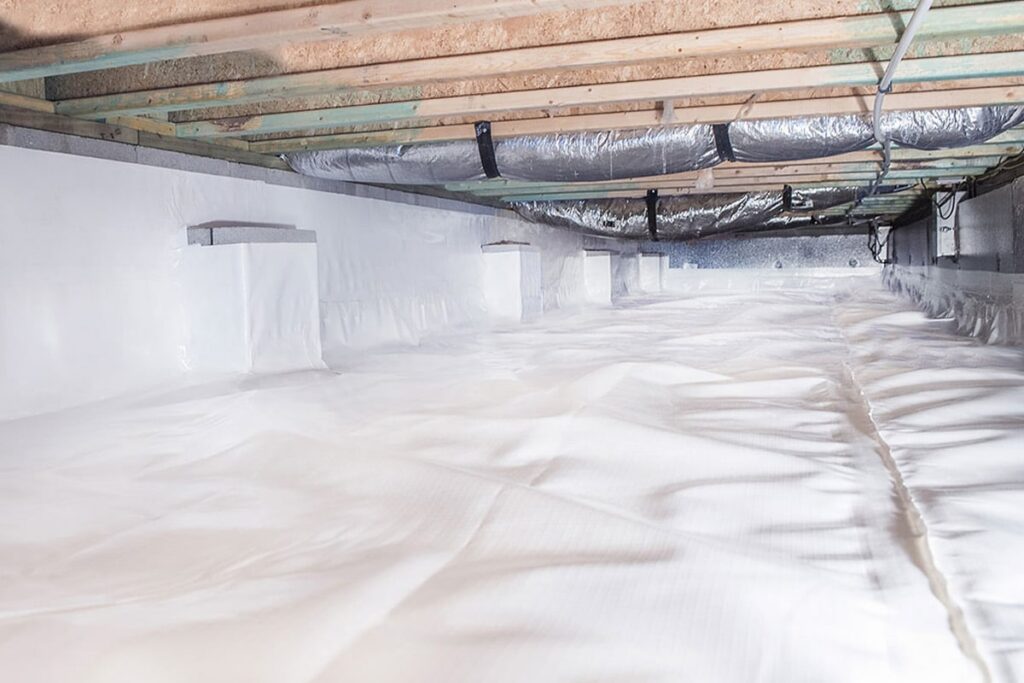
Crawlspaces are an essential part of a home’s structure, often overlooked until water and moisture problems arise. Water infiltration in a crawlspace can lead to mold growth, wood rot, pest infestations, and even compromise the structural integrity of a home. Waterproofing a crawlspace is one of the most effective ways to prevent these problems and maintain a safe, healthy environment for your household. In this guide, we will explore the key elements of crawlspace waterproofing and how sealing out moisture can save you from future headaches.
Understanding the Crawlspace Vulnerability
Crawlspaces are located beneath the home, typically no more than a few feet deep, providing access to plumbing, electrical systems, and ventilation. However, their proximity to the ground makes them particularly vulnerable to moisture issues caused by rain, groundwater, and humidity. If not properly waterproofed, crawlspaces can accumulate water that seeps through the soil, leading to numerous complications.
Common signs of moisture problems in a crawlspace include:
- Damp or soggy soil.
- Condensation on pipes or walls.
- Mold or mildew odors.
- Sagging or rotting wood beams.
- Pest infestations, especially insects and rodents.
Key Crawlspace Waterproofing Solutions
- Crawlspace Encapsulation Encapsulation is one of the most effective methods to keep a crawlspace dry. This involves sealing the entire crawlspace with a vapor barrier, typically made from thick, reinforced plastic sheeting that covers the floor, walls, and sometimes even the ceiling. The vapor barrier prevents moisture from entering the crawlspace through the ground and walls.

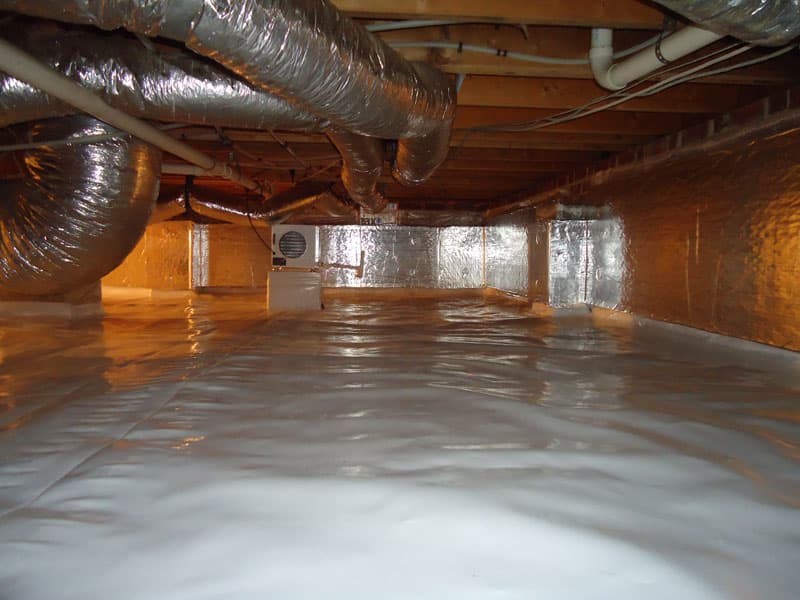
Encapsulation is especially useful in homes with high humidity levels or areas prone to flooding. When combined with proper drainage systems, this method can reduce humidity levels, improve air quality, and prevent structural damage.
- Sump Pump Installation If water tends to accumulate in your crawlspace, installing a sump pump is a must. A sump pump is designed to collect water and pump it out of the crawlspace, preventing it from pooling and causing long-term damage. The sump pump is usually placed in a pit dug into the crawlspace floor, where water can be directed and removed safely.
For homes in areas prone to heavy rain or high water tables, a sump pump with a battery backup system is highly recommended. This ensures the pump continues to operate during power outages, which often occur during storms.
- Drainage Systems A proper drainage system is vital to keep water from building up around or inside the crawlspace. French drains, for example, can be installed around the perimeter of the home to direct water away from the foundation. These drains consist of perforated pipes laid in a gravel-filled trench, which collect and channel water away from the home.
Additionally, grading the soil around the home to slope away from the foundation can help prevent water from flowing toward the crawlspace, reducing the risk of flooding.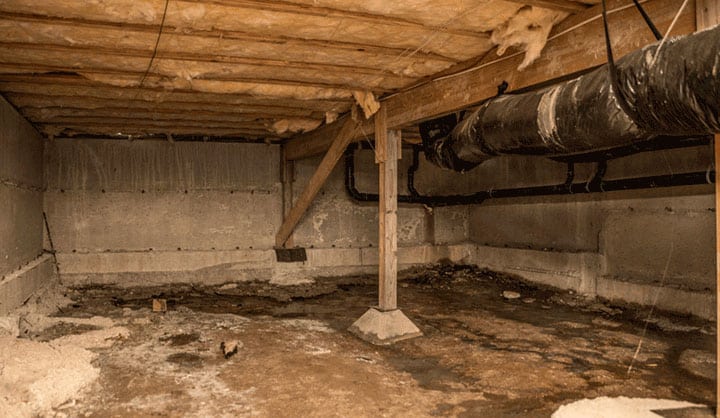
- Ventilation and Dehumidifiers Proper ventilation is key to controlling humidity in crawlspaces. Historically, crawlspaces were built with open vents to allow airflow, but these vents can actually introduce moisture in humid climates. Instead, many experts recommend sealing crawlspace vents and installing dehumidifiers to control moisture levels.
A dehumidifier specifically designed for crawlspaces can reduce the risk of condensation and mold growth by maintaining optimal humidity levels, typically between 30% and 50%.
Benefits of Crawlspace Waterproofing
- Improved Air Quality Waterproofing your crawlspace has a direct impact on the air quality inside your home. Moisture in the crawlspace often leads to mold and mildew, which can release harmful spores into the air, aggravating allergies and respiratory issues. Sealing the crawlspace helps prevent mold growth, resulting in cleaner, healthier air inside the home.
- Energy Efficiency A wet or damp crawlspace can make your home less energy efficient. Moist air makes heating and cooling systems work harder to maintain comfortable indoor temperatures. By keeping moisture out and insulating the crawlspace, homeowners can reduce energy consumption and lower utility bills.
- Structural Integrity Water can weaken the wooden beams and joists that support your home’s floors. Over time, excessive moisture causes wood to rot, leading to structural instability. Waterproofing your crawlspace ensures that these essential components remain strong and durable, reducing the likelihood of costly repairs in the future.
- Pest Prevention Moist, dark crawlspaces are attractive to pests such as termites, rodents, and insects. Standing water or high humidity creates a breeding ground for these unwanted visitors. Waterproofing your crawlspace and keeping it dry can significantly reduce the risk of pest infestations.
Crawlspace waterproofing is an investment that protects the health of your home and the safety of your family. By encapsulating the crawlspace, installing a drainage system and sump pump, and controlling humidity levels, you can prevent water damage and improve the overall air quality in your home. Whether you live in a humid climate or an area prone to heavy rain, crawlspace waterproofing is essential for long-term peace of mind.
Contact the Professionals at Accurate Basement Repair Today! 414-744-6900