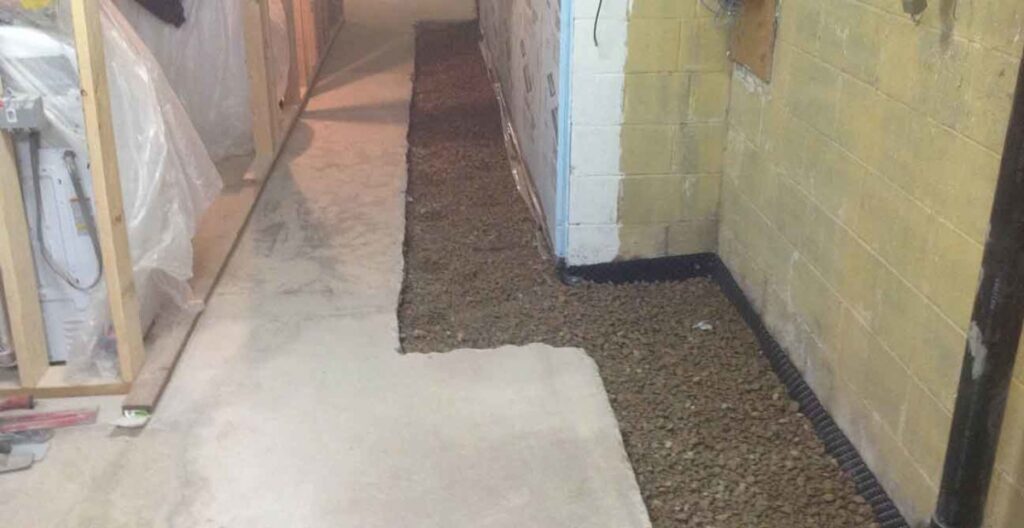
Basement waterproofing is essential for maintaining the structural integrity and value of your home. It prevents water from entering and damaging the foundation, walls, and overall structure of the building. This article explores the most common basement waterproofing techniques, helping homeowners understand their options and make informed decisions to protect their property.
The Importance of Basement Waterproofing
Water infiltration can lead to various problems, including mold and mildew growth, structural damage, and decreased air quality. Effective waterproofing helps in avoiding costly repairs and maintaining a healthy living environment. Moreover, a dry basement can be transformed into a functional space, such as a family room, gym, or storage area, further enhancing the value of your home.
Signs of a Water Problem in Your Basement
Before diving into waterproofing techniques, it’s crucial to recognize the signs of water issues in your basement: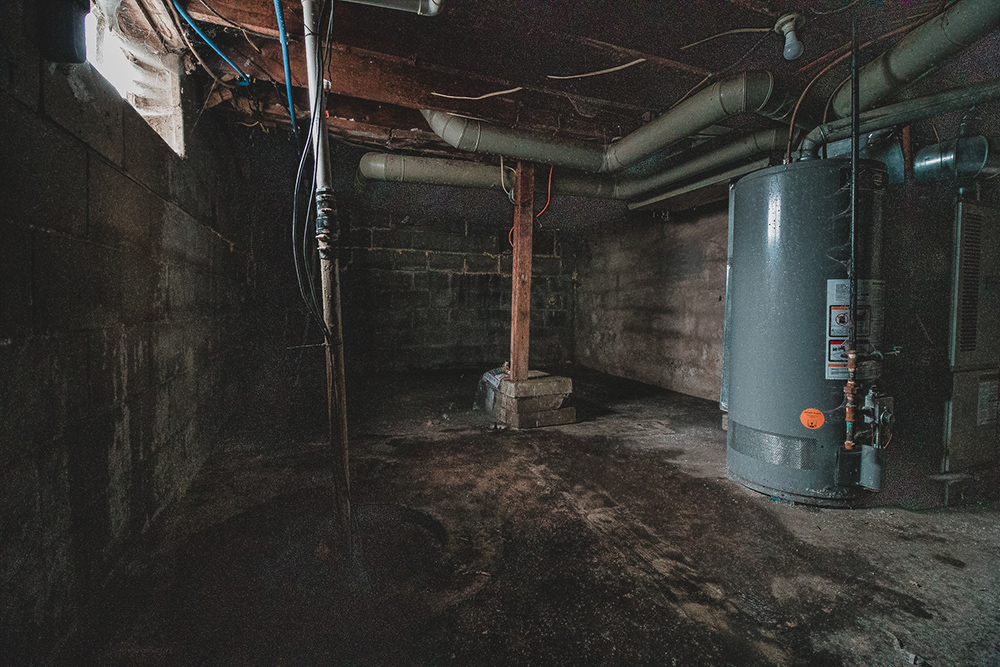
- Water pools or damp spots on the floor
- Peeling paint or wallpaper
- Efflorescence (white, powdery mineral deposits on walls)
- Mold and mildew presence
- Musty odors
These symptoms indicate the need for immediate waterproofing measures to prevent further damage.
Common Basement Waterproofing Techniques
Effective basement waterproofing incorporates various strategies ranging from simple DIY fixes to more complex, professional solutions. Here’s a look at the most common techniques:
1. Interior Sealants
Interior sealants are an accessible first step for any homeowner noticing minor dampness. These are typically applied to the basement walls and floors to prevent moisture from passing through. Sealants are especially effective against condensation but are less effective against significant water leaks.
Pros:
- Cost-effective and easy to apply.
- Quick fix for reducing indoor humidity.
Cons:
- Not a long-term solution for major water infiltration.
- Does not address external water pressure.
2. Interior Water Drainage Systems
Interior drainage systems are among the most effective methods to control water in basements. This technique involves installing a drainage system around the perimeter of the basement floor. Any water entering the basement is collected and directed to a sump pump, which then expels the water away from the home.
Pros:
- Highly effective at controlling water, even during heavy rainfall.
- Less disruptive than exterior waterproofing methods.
Cons:
- Installation can be costly and requires professional assistance.
- Regular maintenance is needed to ensure effectiveness.
3. Exterior Waterproofing
Exterior waterproofing is the most comprehensive form of waterproofing. It involves excavating the earth around the basement walls and applying a waterproof coating or membrane to the exterior walls. This method often includes installing drainage panels to help direct water away from the foundation.
Pros:
- Addresses water issues at the source.
- Long-lasting solution that can significantly increase the value of your home.
Cons:
- Most expensive and labor-intensive method.
- Typically requires professional installation.
4. Sump Pump Installation
Sump pumps are essential in areas prone to flooding or where the water table is high. A sump pump system involves a sump pit where water collects and a pump that ejects the water from the basement.
Pros:
- Effective at preventing basement flooding.
- Works well in combination with other waterproofing methods.
Cons:
- Requires electricity to operate, which can be a problem during power outages unless a backup system is installed.
- Needs regular testing and maintenance.
5. Foundation Crack Repair
Cracks in the foundation can be a major source of water leakage in basements. Sealing these cracks is crucial in preventing further water damage. Epoxy or polyurethane foam injections are commonly used for this purpose.
Pros:
- Directly addresses structural weaknesses.
- Relatively inexpensive compared to other methods.
Cons:
- Does not solve underlying issues causing the cracks, such as poor drainage or soil issues.
6. French Drains
French drains are another popular solution for diverting water away from the basement. They involve digging a trench around the perimeter of the home (either internally or externally), filling it with gravel, and placing a perforated pipe that redirects water.
Pros:
- Effective at preventing water from reaching the basement walls.
- Can be installed internally or externally depending on the property’s needs.
Cons:
- External installation is disruptive and requires excavation.
- Requires accurate grading to ensure effectiveness.
Choosing the Right Waterproofing Technique
Selecting the right waterproofing method depends on the severity of the water issue, the construction of your home, and your budget. It’s advisable to consult with a waterproofing professional who can perform a thorough assessment and recommend the best approach based on your specific needs.
Basement waterproofing is a critical aspect of home maintenance that should not be overlooked. By understanding and implementing the right waterproofing techniques, homeowners can protect their property from damage, enhance its value, and create a healthier living environment. Whether opting for simple interior fixes or comprehensive exterior solutions, effective waterproofing provides peace of mind and long-term protection for your basement.
Contact the Professionals at Accurate Basement Repair Today! 414-744-6900