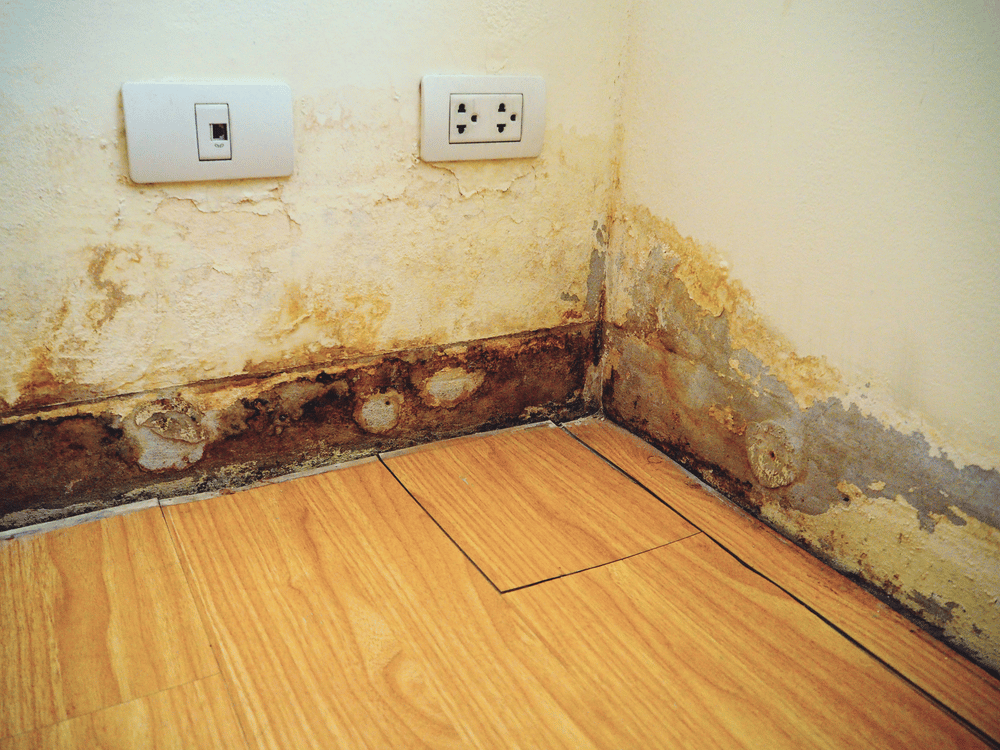
Ever thought about the unseen expenses that come from ignoring those seemingly insignificant basement leaks? You might be surprised. While you could shrug off a quick fix now, you’re unknowingly setting the stage for potentially severe structural damage, escalating repair costs, and even health risks from mold exposure. Add to that a potential decrease in property value and a rise in energy bills, and you’ve got a problem that’s growing by the day. So, let’s explore why addressing basement leaks promptly could save you a lot more than just a few bucks.
Key Takeaways
- Ignoring basement leaks can lead to costly structural damage, such as eroded foundations and weakened walls.
- Professional inspections and repairs for leaks can add up, with potential hidden costs from replacing damaged items or DIY mishaps.
- Overlooked leaks promote mold growth, which can require expensive remediation, and pose serious health risks.
- Property value can significantly decrease due to structural issues, mold, higher utility costs, and aesthetic damage from ignored leaks.
- Unaddressed leaks create ideal conditions for pest infestations, potentially leading to structural damage, health risks, and rapid depreciation in property value.
The Perils of Structural Damage
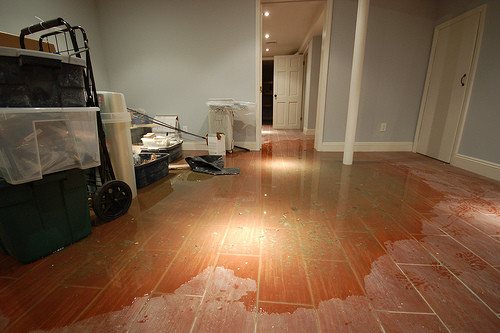 Every year, countless homeowners grapple with the damaging effects of basement leaks. While it’s easy to overlook a small trickle of water, don’t be fooled. That seemingly harmless leak can escalate into a major structural nightmare if not addressed promptly.
Picture this: water seeping into your basement starts eroding the foundation. Over time, this weakens the overall structure of your home, leading to cracks on your walls and floors. You might even notice doors and windows starting to stick, which is a telltale sign of a shifting foundation.
It’s not just about aesthetics; it’s about the safety and integrity of your home.
And here’s another thing, it’s not just your house that’s at risk. Basement leaks can lead to a damp, musty environment, the perfect breeding ground for mold. This can seriously impact indoor air quality, leading to potential health risks for you and your family.
In short, the dangers of ignoring a leaking basement go far beyond a bit of water damage. It’s about safeguarding your home, your health, and your investment.
Escalating Repair Costs
Don’t underestimate the escalating repair costs of basement leaks.
What starts as a simple leak repair can quickly balloon into long-term structural damages and unforeseen renovation costs.
You must be prepared for these hidden expenses that can put a significant dent in your wallet.
Initial Leak Repair Expenses
In the wake of discovering a basement leak, your first thought might be the immediate repair expenses. You’re right to worry. The initial costs can be a nasty surprise. You’ll likely need to shell out for a professional inspection to determine the extent of the leak. These inspections aren’t cheap, and that’s just the beginning.
Next, you’ll have to pay for the actual repair. The cost can vary, depending on the severity of the leak. Simple repairs might set you back a few hundred dollars, but more complex issues can climb into the thousands.
And don’t forget about the potential hidden costs. You may need to replace damaged items or hire a cleaning service to deal with any resulting water damage.
You might be tempted to fix the leak yourself to save money. But if you’re not experienced, you could end up causing more damage and increasing your costs in the long run. It’s generally safer and more cost-effective to hire a professional.
Ignoring a basement leak isn’t a good idea. The initial repair expenses might be high, but they’re a small price to pay compared to the escalating costs of delaying the repair.
Long-term Structural Damages
Ignoring the initial repair costs of a basement leak can lead to long-term structural damages. You might think you’re saving money by neglecting those small drips and damp spots.
But you’re actually setting yourself up for a bigger expense down the road.
Over time, persistent moisture from leaks can weaken the structural integrity of your home. This isn’t just about aesthetics, it’s about the safety and longevity of your home.
We’re talking about serious, escalating repair costs you can’t ignore.
Here’s a picture of what you’re dealing with:
- Foundation Damage: Constant water intrusion can erode your house’s foundation. This isn’t a quick fix and can cost you thousands.
- Wood Rot: Moisture is the enemy of wood. Over time, it can rot away vital wooden support beams.
- Mold and Mildew: These aren’t just health hazards. They can eat away at various materials, causing further damage.
- Wall and Ceiling Damage: The effects of water damage can spread, leading to weakened walls and sagging ceilings.
In the end, what might’ve been a small, manageable repair can balloon into a financial nightmare.
Don’t let that happen. Be proactive about basement leaks.
Unforeseen Renovation Costs
Facing the aftermath of a neglected basement leak, you’ll soon find yourself dealing with unforeseen renovation costs. Unlike regular maintenance costs, these expenses can skyrocket quickly, leaving you in a financial quagmire.
Ignoring a basement leak might seem like a cost-saving measure initially, but it’s a false economy. Over time, water damage not only ruins your basement’s interior but also weakens the foundation of your house.
So, when you finally decide to address the issue, you’re not just repairing a leak. You’re fixing structural damage, replacing damaged furnishings, and possibly even dealing with mold removal.
The costs of these renovations can be alarming. Replacing damaged drywall, flooring, or insulation isn’t cheap.
If the leak has led to mold, professional removal can easily run into thousands. And let’s not forget about the potential costs associated with foundation repair, which can be extraordinarily high.
Health Risks From Mold Exposure
Mold stealthily creeps into your basement when leaks persist, posing serious health risks you can’t afford to overlook.
Unchecked, these microscopic invaders thrive in damp, dark areas, releasing spores that can greatly impact your health. With each breath you take, you’re potentially inhaling these harmful spores.
Here are the potential health risks from mold exposure:
- Allergic Reactions: Exposure to mold can trigger allergic reactions, including sneezing, runny nose, red eyes, and skin rashes.
If you’re constantly sneezing or experiencing these symptoms at home, it’s a sign you need to check your basement for leaks and potential mold growth.
- Asthma Attacks: If you or your family members suffer from asthma, mold spores can provoke severe and frequent asthma attacks.
- Irritant Effects: Even if you’re not allergic to mold, you can still experience irritant effects. These include eye, nose, and throat irritation, and even headaches.
- Serious Lung Infections: Prolonged exposure to certain types of mold can lead to serious lung infections, especially in people with weakened immune systems.
Don’t let the hidden health risks of mold exposure sneak upon you.
Address those basement leaks promptly to protect your health.
Decrease in Property Value
You mightn’t realize it, but a leaky basement can greatly lower your home’s worth.
Prospective buyers often perceive this as a sign of negligence, making them think twice about their investment.
Additionally, the costs of repairs mightn’t add enough value to offset the decrease, leaving you at a loss.
Impact on Home’s Worth
A basement leak, like a silent thief, chips away at your property’s worth.
It’s not just about the dampness or the unsightly stains; it’s the hidden costs that will hit you hard when you’re not looking. You may think you’re saving money by ignoring it, but in reality, you’re allowing a potentially small issue to become a real financial burden.
Here’s how the impact on your home’s worth takes shape:
- Structural Damage: Basement leaks can lead to serious structural issues like bowed walls or a cracked foundation. Such problems greatly lower your home’s value.
- Mold Growth: The dampness caused by leaks often leads to mold growth. Not only is this a health risk, but it also decreases your property’s worth.
- Utility Costs: Leaky basements often result in higher energy bills as your heating and cooling systems work harder. This can indirectly impact your home’s worth.
- Repair Costs: The longer you ignore the leak, the more costly it becomes to fix. These expenses can quickly eat into your property’s equity.
Buyer Perception of Negligence
Imagine walking into a potential new home and noticing signs of basement leaks. You’d likely feel concerned, wouldn’t you? It’s not just about the potential cost of repair, but also the perception of neglect.
A leaky basement isn’t just a minor flaw. It’s a sign that the homeowner may have been lax in other areas of home maintenance as well.
When buyers encounter issues like basement leaks, they may assume that there are other, potentially more serious, problems lurking beneath the surface. It’s a red flag, signaling that the house may not have been properly cared for.
This can greatly lower the perceived value of your property. You’re not just selling a house, you’re selling a well-maintained home – and basement leaks destroy that image.
It’s all about perception. Even if you’ve been diligent in every other aspect of home care, a single visible problem can taint a buyer’s view.
They may offer less or, worse, bypass your property altogether. The simple act of ignoring a basement leak could end up costing you a fair chunk of your property’s value.
Don’t let negligence ruin your home’s appeal.
Repair Costs Vs Value
What’s the real cost of a basement leak regarding property value? It’s much more than you might think.
Sure, you’re aware of the immediate repair costs. But, have you considered the long-term impact on your home’s worth?
Here’s the thing – ignoring a basement leak doesn’t just lead to a one-time repair bill. It can dramatically decrease your property’s value.
How?
- Unresolved Water Damage: Over time, water can damage structural elements, making your home less sturdy and safe. This surely affects your property’s value.
- Mold Growth: Persistent dampness can lead to mold growth, a health hazard that’s costly to remove and a red flag for potential buyers.
- Poor Energy Efficiency: Water leaks can affect your home’s insulation, leading to higher utility bills and a less eco-friendly household.
- Aesthetic Damage: Unsightly water stains and damp patches can lower your home’s visual appeal, impacting its market value.
Increase in Energy Bills
You mightn’t realize it, but a leaky basement can considerably impact your energy bills. How? Well, when your basement is damp, it’s harder for your home’s heating and cooling systems to regulate the temperature. Your HVAC system has to work overtime to counteract the extra moisture, and that extra effort translates into higher energy costs.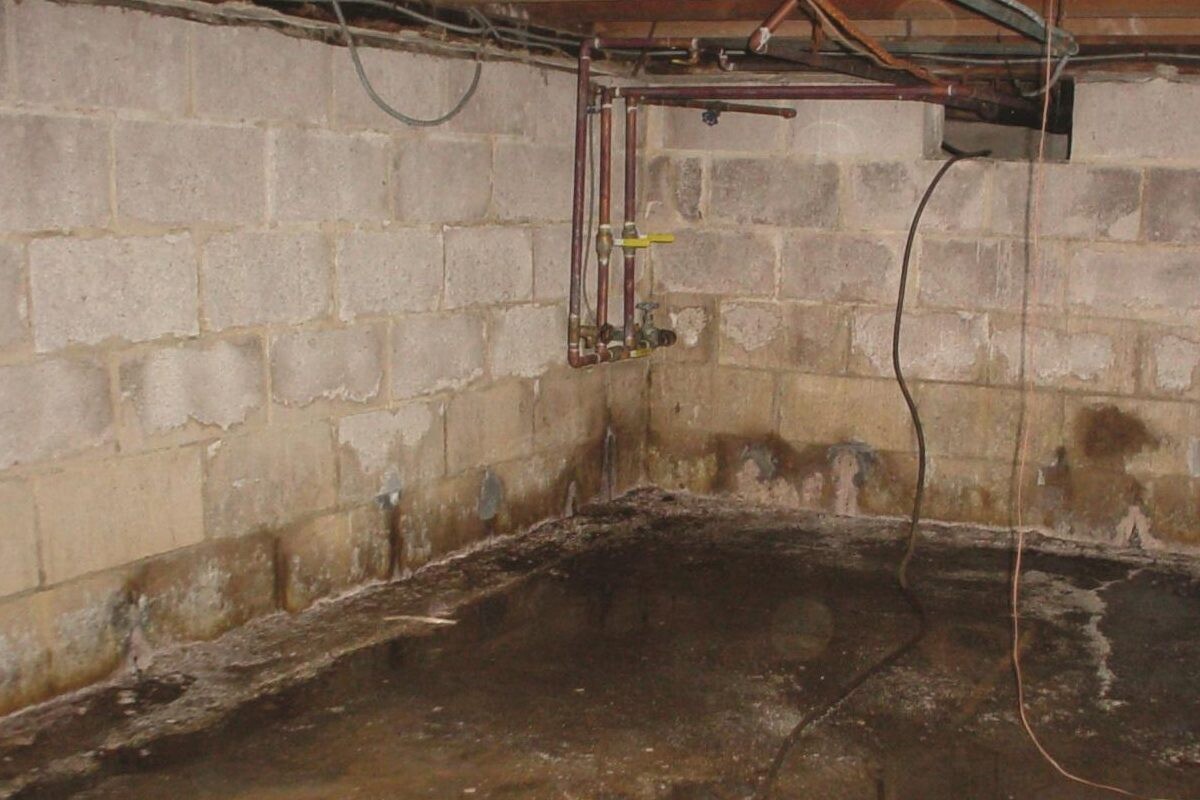
Think about it. In winter, a wet basement makes the lower level of your house colder, causing your furnace to work harder to maintain a comfortable temperature.
During summer, your air conditioner must combat the additional humidity, which also takes a toll on your energy bill.
When water leaks into your basement, it doesn’t just sit there. It evaporates, adding moisture to the air, which then circulates throughout your home.
This increases the humidity level, forcing your HVAC system to work even harder.
Pest Infestation Dangers
A leaky basement isn’t just a burden on your energy bill; it’s also an open invitation to pests. The damp and dark environment is an ideal breeding ground for many critters, and ignoring this issue can lead to a full-blown infestation in no time.
Now, you might be thinking, “It’s just a few bugs, what’s the big deal?” Well, here’s what you’re not considering:
- Structural Damage: Certain pests, like termites and carpenter ants, can cause serious damage to your home’s structure. They eat away at the wood, compromising the stability of your house.
- Health Risks: Pests can carry diseases that are harmful to humans. Mice and rats, for instance, can spread hantavirus, salmonella, and plague.
- Allergies and Asthma: Pests like cockroaches and dust mites can trigger allergies and asthma attacks. Their droppings, skin, and even dead bodies can become airborne allergens.
- Decreased Property Value: A home with a pest problem can lose its value fast. Potential buyers will be hesitant to invest in a property that may require extensive pest control and repairs.
Ignoring a basement leak isn’t just costly—it’s dangerous too.
Don’t ignore your basement leaks. They’re not just a nuisance, they’re a ticking financial time bomb. That small leak can lead to structural damage, skyrocketing repair costs, and health risks from mold. Your home’s value could plummet, your energy bills may soar, and you could even face a pest infestation. Address those leaks ASAP. It’s not just about saving money, it’s about protecting your investment and your health.