
Crawlspaces, often overlooked and underestimated, play a crucial role in maintaining the structural integrity and indoor air quality of a home. Whether you have a vented or unvented crawlspace, implementing the right method is essential for preventing moisture issues, mold growth, and structural damage. In this extensive guide, we’ll delve into popular crawlspace methods, including encapsulation, ventilation, and insulation, to help you make informed decisions about protecting and improving this vital space beneath your home.
Encapsulation:
Crawlspace encapsulation involves sealing the crawlspace with a moisture barrier, typically made of heavy-duty polyethylene plastic, to create a conditioned and controlled environment. Here’s how encapsulation works and its benefits:
a. Installation Process: The encapsulation process begins with cleaning and prepping the crawlspace, including removing debris and leveling the ground surface. Next, the crawlspace walls and floor are lined with the moisture barrier, which is sealed at seams and overlaps to create an airtight seal.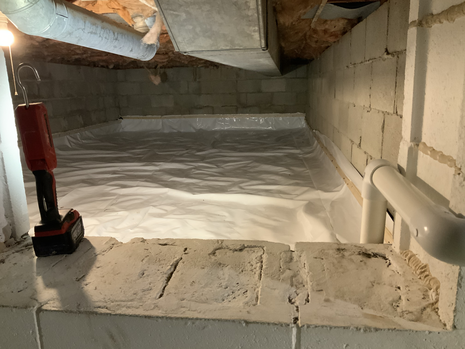
b. Vapor Barrier: The vapor barrier prevents moisture from seeping into the crawlspace from the ground and surrounding soil, reducing the risk of mold, mildew, and wood rot. It also helps control indoor humidity levels, improving overall indoor air quality.
c. Insulation: In some encapsulation systems, insulation may be installed along the crawlspace walls or floor to further improve energy efficiency and thermal comfort in the home.
d. Benefits: Encapsulation helps eliminate moisture problems, improve indoor air quality, and enhance the structural integrity of the home. It can also reduce energy costs by minimizing heat loss and air infiltration from the crawlspace.
Ventilation:
Crawlspace ventilation involves the use of vents or openings to facilitate airflow between the crawlspace and the outdoor environment. While traditional vented crawlspaces were once common, newer approaches advocate for sealed or conditioned crawlspaces. Here’s an overview of ventilation methods and their implications:
a. Vented Crawlspace: In a vented crawlspace, vents or openings are strategically placed to allow outside air to enter and exit the crawlspace, promoting natural ventilation. However, this approach can lead to moisture problems, as humid outdoor air can enter the crawlspace and cause condensation on surfaces.
b. Sealed Crawlspace: Sealed crawlspaces, also known as conditioned crawlspaces, are designed to be airtight and insulated, with no vents or openings to the outside. This approach helps control moisture levels and prevent outdoor air infiltration, improving energy efficiency and indoor air quality.
c. Conditioned Crawlspace: A conditioned crawlspace is similar to a sealed crawlspace but includes heating and cooling elements to maintain consistent temperature and humidity levels. This method offers additional benefits in terms of comfort and energy savings but may require more extensive modifications and investment.
Proper insulation
Proper insulation is essential for maintaining comfortable indoor temperatures and reducing energy costs in both crawlspaces and homes. Here’s how insulation can be installed in crawlspaces and its advantages:
a. Location: Insulation can be installed along the walls, floor, or ceiling of the crawlspace, depending on the climate, building design, and moisture considerations.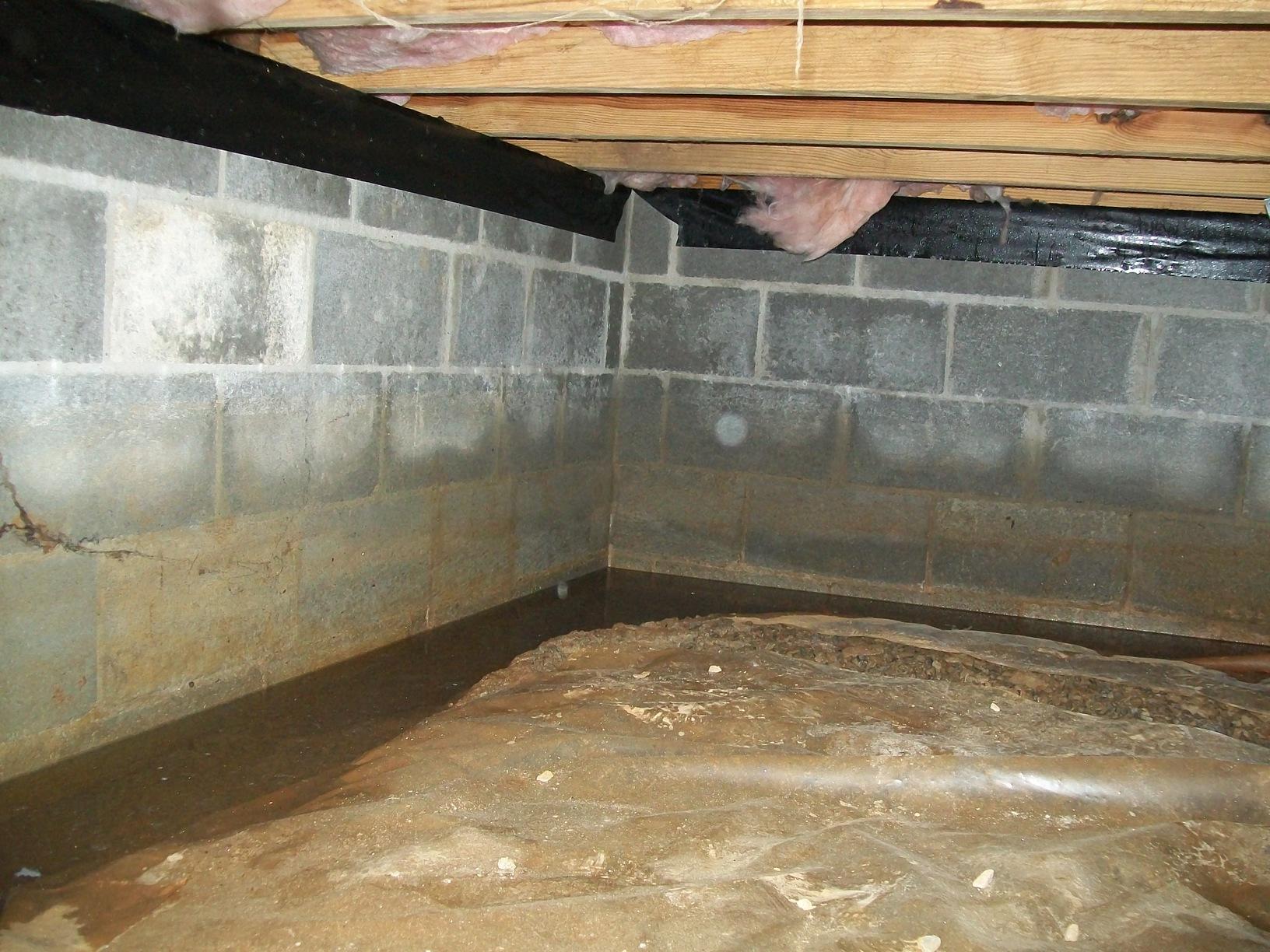
b. Materials: Common insulation materials used in crawlspaces include fiberglass batts, rigid foam boards, spray foam, and blown-in cellulose. The choice of insulation material depends on factors such as moisture resistance, R-value, and ease of installation.
c. Benefits: Proper insulation helps prevent heat loss in the winter and heat gain in the summer, improving energy efficiency and reducing heating and cooling costs. It also helps control moisture levels and minimize the risk of condensation, mold growth, and wood rot in the crawlspace.
Crawlspace methods play a significant role in maintaining the health, comfort, and structural integrity of your home. Whether you choose encapsulation, ventilation, insulation, or a combination of methods, it’s essential to consider factors such as climate, building design, and moisture levels to determine the most suitable approach for your crawlspace. By investing in proper crawlspace management and maintenance, you can protect your home against moisture issues, improve indoor air quality, and enhance energy efficiency for years to come.
Contact the Professionals at Accurate Basement Repair Today 414-744-6900