
Have you ever considered the health implications of a persistently damp basement or crawlspace in your home? These wet environments can encourage the growth of mold and mildew, which can trigger a host of health issues. From respiratory problems and skin irritations to more severe conditions like asthma and bronchitis, the risks are significant. But that’s not all. Did you know that such conditions can also impact your mental well-being? You might find it surprising, but there’s more to uncover about this seemingly benign household issue.
Key Takeaways
- Wet basements and crawlspaces can harbor mold and mildew, causing respiratory issues, neurological disorders, and skin irritations.
- High humidity in damp areas can exacerbate skin conditions like dermatitis and compromise the skin’s barrier function, increasing infection risks.
- Damp environments foster the growth of allergens such as dust mites and roaches, potentially triggering asthma and worsening allergic rhinitis symptoms.
- Chronic exposure to mold in damp areas can contribute to mood disorders and is linked to increased depression, particularly in women.
- Regular inspections, proper ventilation, and proactive dampness control can mitigate health risks associated with wet basements and crawlspaces.
Understanding Mold and Mildew
In the shadowy corners of a wet crawlspace, mold and mildew find their ideal home. You mightn’t think much of these damp areas, but they’re the perfect breeding grounds for such fungi. Both mold and mildew thrive in these moist, dark conditions, rapidly spreading and potentially causing significant damage to your home.
But it’s not just the structural integrity of your home at risk. Mold spores, when inhaled, can lead to a slew of health issues. Symptoms might start off as minor, such as a runny nose or a cough. However, over time, they can escalate to more severe conditions like headaches, memory loss, or even neurological disorders.
Mildew isn’t off the hook either. It’s known to cause respiratory problems and skin irritations. If you’re frequently sneezing or experiencing an itchy skin, it might be due to mildew exposure.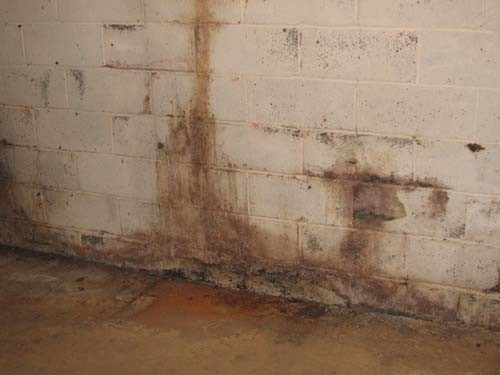
It’s essential to address a wet crawlspace promptly. Ignoring it doesn’t make the problem disappear; it only worsens the situation.
Respiratory Conditions Explained
You may not realize it, but your wet crawlspace could be directly influencing your respiratory health.
Let’s explore how this damp environment can trigger asthma, contribute to lung diseases, and intensify allergic rhinitis.
You’ll soon see how vital it’s to manage this hidden health hazard.
Understanding Asthma Triggers
Without even realizing it, your home could be harboring hidden triggers for your asthma, particularly if you have a wet crawlspace. The dampness breeds an environment that’s conducive to the growth of allergens, which might exacerbate your condition.
It’s important you understand these triggers to manage your asthma effectively.
Here’s a quick rundown of some common asthma triggers that could be lurking in your wet crawlspace:
- Dust mites: These tiny creatures thrive in damp and humid areas. They can cause an allergic reaction, leading to an asthma attack.
- Cockroaches: Roach droppings and body parts can also be a trigger. If your crawlspace is wet, it may attract these pests.
- Rodents: Similarly, mice and rats are attracted to damp areas. Their droppings and urine are potent allergens.
- High humidity: Dampness can increase the humidity levels in your home, causing difficulty in breathing and potentially triggering asthma.
Don’t overlook the health risks of a wet crawlspace.
By understanding these triggers, you’re taking an essential step towards better asthma management.
But remember, it’s always best to consult with a health professional for personalized advice.
Mold and Lung Disease
While we’ve highlighted the dangers of asthma triggers in your damp crawlspace, it’s high time we explore another alarming health risk: mold and lung disease.
When your basement or crawlspace is damp, it becomes a breeding ground for molds. These aren’t just unsightly; they’re dangerous to your health.
Mold spores can travel through the air and, when inhaled, can cause serious harm to your lungs. You might experience symptoms such as persistent coughing, chest tightness, shortness of breath, and wheezing.
Over time, prolonged exposure could lead to chronic lung conditions like bronchitis and even lung disease.
If you’re healthy, you might shrug these symptoms off as a common cold. But for people with pre-existing lung conditions or weakened immune systems, the consequences could be much more severe, potentially leading to life-threatening conditions like pneumonia.
It’s important to take mold seriously. If you spot it in your home, especially in damp areas like the basement or crawlspace, don’t ignore it.
Hire a professional to remove it safely and take steps to keep these areas dry. Remember, prevention is the best way to protect your lungs and overall health.
Allergic Rhinitis and Dampness
Continuing our exploration of health risks associated with a wet crawlspace, let’s turn our attention to allergic rhinitis. This is a condition where your body’s immune system overreacts to particles in the air you breathe, and guess what? Damp basements and crawlspaces are prime breeding grounds for these allergens.
The symptoms you’ll experience are similar to those of a common cold, but unlike a cold, allergic rhinitis isn’t caused by a virus. It’s triggered by the allergens present in your damp basement or crawlspace. When you’re exposed to these allergens, your body releases a substance called histamine that causes itching, swelling, and mucus production.
To paint a fuller picture, here are some common allergens you might find:
- Mold spores: These fungi thrive in damp environments and their spores can easily become airborne.
- Dust mites: They love humidity and feast on dead skin cells.
- Animal dander: Wet conditions can worsen the effects of pet dander.
- Cockroach droppings: Sounds disgusting, but these pests are attracted to wet areas and their droppings can trigger allergies.
Allergies and Damp Basements
In the midst of a damp basement, you might find more than just a musty smell and unpleasant dampness. Lingering within that moisture, allergens are thriving, posing a potential health risk for you and your family.
These allergens include mold and dust mites, which flourish in damp environments and can seriously exacerbate or even trigger allergies.
If you’re experiencing itchy eyes, runny nose, sneezing, or rashes more often, your damp basement might be the culprit. Mold spores and dust mite waste can easily become airborne, infiltrating your living spaces and causing allergic reactions.
Even if you’re not spending time in the basement, these allergens can still reach you.
What’s the solution? It’s imperative to keep your basement dry. That could mean investing in a dehumidifier, implementing proper ventilation, or tackling leaks.
It’s also a good idea to frequently clean and dust your home to minimize the presence of allergens.
The Link Between Asthma and Humidity
If you or a loved one suffers from asthma, you’re likely already cautious about potential triggers, but did you know that high humidity levels can greatly exacerbate asthma symptoms? Yes, it’s true. High humidity fosters the growth of mold spores, dust mites and other allergens that can trigger an asthma attack.
Let’s paint a clearer picture:
- High humidity can make the air feel heavy and harder to breathe, which can be especially problematic for those with asthma.
- It encourages the growth of mold and mildew, both of which are common triggers for asthma attacks.
- Dust mites, another common asthma trigger, thrive in humid conditions.
- Prolonged exposure to damp and humid conditions can increase the severity of asthma symptoms over time.
If you’ve noticed a correlation between damp, humid days and worsened asthma symptoms, it’s not a coincidence. It’s a connection that’s backed by research.
That’s why it’s so important to maintain a dry and well-ventilated home, particularly in areas like the basement or crawlspace where humidity tends to be high. Your lungs will thank you.
Mental Health Effects of Damp Spaces
While your lungs may bear the brunt of a damp environment, let’s not overlook the toll it can take on your mental health. You mightn’t realize it, but living in a damp space can lead to increased stress and anxiety. These conditions are often tied to the constant worry about potential structural damage to your home, or the financial strain of dealing with such problems.
But it doesn’t stop there. Sleep disturbances are also a common issue. High humidity and mold can trigger allergic responses that disturb your sleep, leading to fatigue and reduced mental clarity. The lack of quality sleep can compound mental health issues, making you feel more irritable or depressed.
Most alarmingly, prolonged exposure to damp environments can contribute to the development of mood disorders over time. A study by Brown University found that women living in moldy homes were more likely to suffer from depression.
It’s a vicious cycle, where the stress of the damp space affects your mental health, which in turn makes you more susceptible to the physical health problems caused by the dampness.
Dampness and Skin Conditions
You mightn’t realize that a damp crawlspace could be causing your skin problems.
The mold that thrives in such conditions can trigger a host of skin issues, including allergic reactions.
Additionally, the excess humidity may exacerbate conditions like dermatitis.
Mold-Induced Skin Problems
Exposure to a damp, mold-infested crawlspace can trigger a variety of skin problems, turning your home into a health hazard.
It’s not just an unpleasant sight or smell; it’s a direct threat to your well-being. Mold spores, unseen to the naked eye, can easily become airborne and settle on your skin. Once there, they can wreak havoc, leading to uncomfortable and unsightly skin issues.
- Allergies: Mold spores can cause allergic reactions, which might manifest as rashes, itchiness, or hives on your skin.
- Infections: Certain types of molds, particularly those that thrive in damp environments, are known to cause skin infections.
- Irritations: If you’re sensitive to mold, just being in contact with it can cause skin irritations, such as redness and swelling.
- Mold-induced eczema: In severe cases, exposure to mold can cause or exacerbate eczema, a chronic skin condition characterized by itchy, inflamed patches of skin.
Don’t let mold rob you of your peace and comfort.
Take action to dry out your crawlspace, remediate any existing mold, and prevent future growth. Your skin and health will thank you.
Humidity’s Impact on Dermatitis
Mold isn’t the only concern when dealing with a wet crawlspace; you also need to take into account the impact of high humidity levels on your skin. It’s not just about the discomfort; damp environments can exacerbate skin conditions like dermatitis.
Dermatitis, an inflammation of the skin, can become particularly troublesome with high humidity levels. You might notice redness, itchiness, or even blisters. It’s because your skin is sensitive to the moisture in the air, and it’s trying to protect itself.
Here’s what you need to know: when your skin is exposed to high humidity for a long time, it can become oversaturated with moisture. This can break down the skin’s barrier function, making it more susceptible to irritants and allergens.
It’s like a chain reaction. Your skin gets irritated, it becomes inflamed, and then you’re dealing with a full-blown flare-up of dermatitis.
Therefore, controlling the humidity in your home isn’t just about preventing structural damage or mold growth. It’s also about your health.
Dry crawlspaces and basements can help keep your skin calm and healthy. So, don’t overlook the importance of maintaining a dry and well-ventilated home.
Sinus Infections From Wet Basements
Many homeowners may not realize the connection between their chronic sinus infections and a wet basement. You might be surprised to know that a damp basement can be a breeding ground for mold and fungi, which are common triggers for sinus infections.
Here’s the scene:
- You’ve noticed a musty smell in your basement, but you can’t figure out where it’s coming from.
- You’ve had constant sinus infections, and no matter what you do, they just seem to keep coming back.
- You’ve found black spots on the walls and floors of your basement, unaware that it’s mold.
- Your basement is always wet, especially after it rains, making it a perfect breeding ground for mold spores.
When you breathe in these microscopic spores, they can cause inflammation and infection in your sinuses.
That’s why it’s so essential to keep your basement dry. Not only will it save you from costly damage to your home, but it could also be the key to stopping your recurring sinus infections.
We’ll explore this more in our next segment on “The Connection to Chronic Fatigue”.
The Connection to Chronic Fatigue
A staggering number of people who experience chronic fatigue may actually be suffering due to a wet crawlspace in their home. You may be wondering how a wet crawlspace ties into your energy levels. It’s all about the quality of your indoor air.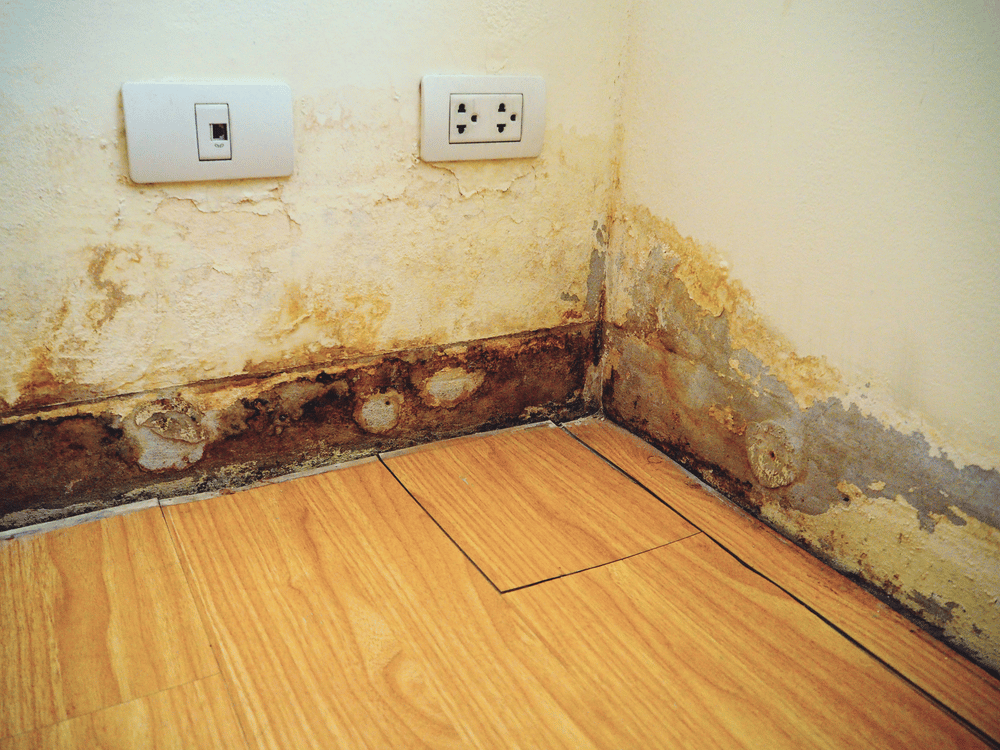
When your crawlspace or basement is damp, it becomes a breeding ground for mold and mildew. These organisms release spores into the air, which you then breathe in. Your body recognizes these spores as foreign invaders and your immune system goes into overdrive trying to fight them off. This constant battle can leave you feeling perpetually drained and lethargic, key symptoms of chronic fatigue.
Plus, mold exposure can disrupt your sleep. Breathing in mold spores can cause a myriad of respiratory issues, such as coughing and wheezing, that can wake you up throughout the night. A lack of restful sleep further contributes to feelings of exhaustion.
Preventing Health Risks in Damp Basements
To safeguard your health and well-being, it’s essential to tackle the problem of a damp basement head-on. A soggy, musty basement isn’t just an inconvenience; it’s a potential health hazard.
If you’re not careful, it can lead to mold growth, which can cause a variety of health issues, from respiratory problems to skin irritation.
Here are some steps you can take to prevent health risks in damp basements:
- Ensure proper ventilation: Proper airflow is key. Install exhaust fans or use dehumidifiers to keep the air fresh and dry.
- Waterproof your basement: This can prevent excessive moisture from seeping into the basement. Several methods are available, so choose the one that suits your circumstance and budget.
- Regularly inspect for mold: Mold can thrive in damp environments. Regular checks can help identify a problem before it becomes severe.
- Keep your basement clean: Regular cleaning can prevent the accumulation of dust mites and other allergens.
So, it’s clear that damp basements and crawlspaces aren’t just structural issues, they’re health hazards too. From asthma to skin conditions, and even mental health issues, wet environments can seriously harm your well-being. Don’t let your health be compromised. Take action, address dampness issues promptly, and guarantee your living spaces are dry and well-ventilated. Remember, prevention is always better than cure.