
While you may think that waterproofing seems like an unnecessary expense, it’s actually a crucial step in protecting your home. You’re fundamentally defending your property from the ground up, ensuring your foundation, walls, and roof are armed against damaging moisture. It’s about more than just stopping the odd leak or damp patch; it’s about preserving your home’s structure and maintaining its value. So, what are the key areas to focus on and how can you effectively waterproof your property? Stick around, we’re about to break it down for you.
Understanding Home Waterproofing
Your home’s defense against water damage begins with understanding home waterproofing. It’s a protective measure that bars water from entering or damaging your home’s structure.
Waterproofing isn’t a one-size-fits-all solution; it’s tailored according to your home’s specific needs and the climatic conditions of your area.
Waterproofing goes beyond just applying a sealant to your walls. It’s a thorough process that involves identifying potential water ingress points and fortifying them.
You’ve got to take into account your home’s foundation, walls, roof, and even the basement if you have one. They each require distinctive waterproofing methods. For instance, the foundation could need a liquid membrane for waterproofing, while the roof might require a bituminous coating.
Also, it’s important to understand that waterproofing isn’t a once-and-done deal. Regular maintenance and inspection are needed to keep your home’s waterproofing system effective.
Small cracks or damage to the waterproofing layer can lead to significant water damage if not attended to promptly.
The Importance of Waterproofing
Having absorbed the concept of home waterproofing, let’s shift focus to its importance. Waterproofing isn’t just a luxury, it’s a necessity. It’s the shield that protects your home from costly and potentially hazardous water damage. When done correctly, waterproofing can prevent the structural deterioration of your home, saving you from expensive repairs down the line.
You’re also safeguarding your health in the process. Moisture is a breeding ground for mold and mildew, which can lead to respiratory problems, allergies, and other health issues. By waterproofing, you’re creating a healthier living environment for you and your family.
It’s also about preserving your property’s value. A home with a well-maintained, waterproofed foundation is more appealing to potential buyers. They’ll appreciate that you’ve taken this preventative measure, and it could even boost your home’s resale value.
In essence, waterproofing is about much more than just keeping water out. It’s about preserving your house’s structural integrity, safeguarding your health, and maintaining the value of your most significant investment.
Don’t underestimate the importance of this vital home maintenance task.
Identifying Common Waterproofing Issues
You’ve learned the basics, now let’s understand the common issues in waterproofing.
First, you’ll need to recognize the signs of water intrusion, as these can indicate a failing waterproofing system.
Then, you’ll get a grasp on the causes of material deterioration, and finally, you’ll evaluate common basement leakage issues.
Recognizing Water Intrusion Signs
Amid the hustle and bustle of daily life, it’s easy to overlook the subtle signs of water intrusion in your home. However, staying alert can help you catch an issue before it escalates.
You might notice dark or damp spots on walls, floors, or ceilings. These are often the first signs of water seeping into your home, indicating a possible leak or condensation issue. Discoloration and peeling paint are also tell-tale signs that water is infiltrating your home’s structure.
Another common sign is a musty smell. If your home starts to smell damp and earthy, it’s likely you have a moisture problem. Mold and mildew, visible enemies of a dry home, thrive in damp conditions and are strong indicators of water intrusion.
Listen for unusual sounds, too. Water dripping or flowing within your walls or beneath your floors is often audible. It’s a clear sign there’s a problem that needs immediate attention.
Water intrusion can also cause structural changes. If doors and windows are suddenly difficult to open or close, it could mean that water has warped your home’s structure.
Understanding Material Deterioration Causes
While it’s vital to recognize the signs of water intrusion, understanding the underlying causes of material deterioration is equally important. Various factors contribute to this, and you need to know them to prevent further damage effectively.
One primary culprit is hydrostatic pressure. This force results from water accumulation around your home’s foundation, pushing against the walls and causing cracks that permit water intrusion. Addressing drainage issues can help mitigate this.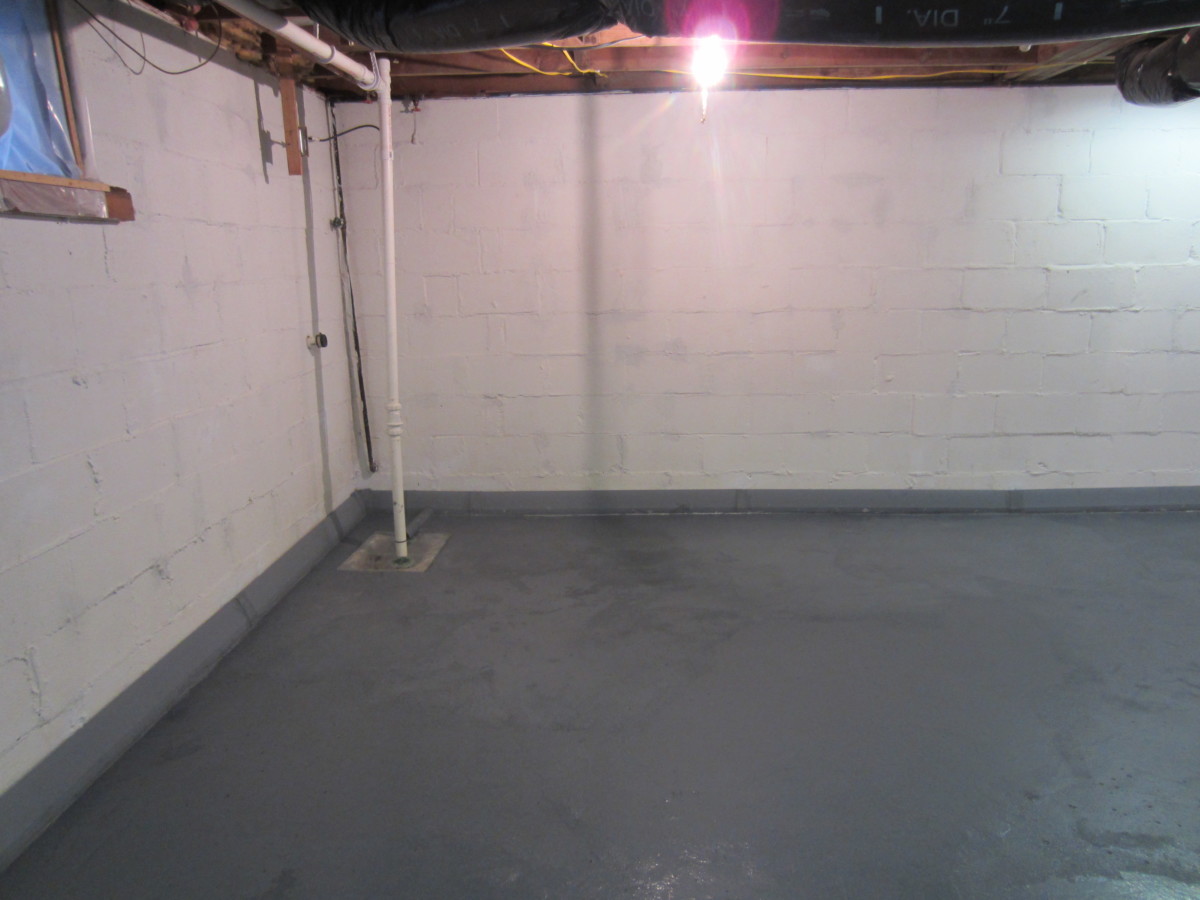
Temperature fluctuations also play a significant role. The expansion and contraction of materials due to changing temperatures can lead to cracks and structural weaknesses, paving the way for water penetration.
Moreover, poor quality materials or incorrect installation can be a cause. If waterproofing materials aren’t applied properly or are of substandard quality, they won’t withstand the test of time and exposure to elements.
Lastly, your home’s age can be a factor. As building materials age, they naturally weaken and become more susceptible to water damage. Regular maintenance and timely repairs are fundamental in such cases.
Understanding these causes can help you take proactive measures in your home’s waterproofing process. It’s not just about fixing the issues—it’s about preventing them in the first place.
Evaluating Basement Leakage Issues
Having grasped the root causes of material deterioration, let’s shift our focus to specific waterproofing issues that often manifest in one of the most vulnerable areas of your home—your basement.
To evaluate leakage, you must first understand that it’s not always as straightforward as a puddle on the floor. It can be a subtle dampness on the walls, a musty smell, or even the sudden appearance of mold.
Start by inspecting the walls. Look for stains or discoloration as these could indicate water seepage. Pay close attention to the joints where the walls meet the floor; this is a common entry point for water.
Next, check the floor. Cracks in the concrete may allow water to seep in, especially during heavy rains. If you find any, they’ll need to be sealed promptly.
Finally, don’t forget about the ceiling. Water stains can be a tell-tale sign of a leaky pipe or roof.
In essence, evaluating basement leakage issues is a systematic process that requires a keen eye. It’s not just about finding water; it’s about identifying the sources and potential entry points, and addressing them effectively to prevent future problems.
Choosing the Right Waterproofing Solution
Choosing the right waterproofing solution is critical for ensuring the longevity and safety of your property.
It’s important that you assess the available waterproofing products, bearing in mind their durability, cost-effectiveness and compatibility with your specific needs.
You’ll also want to evaluate whether a professional service or a do-it-yourself approach will best suit your situation, factoring in elements such as skill level, time commitment, and overall project complexity.
Evaluating Waterproofing Products
Steering through the vast sea of waterproofing products can seem overwhelming. But fear not. You’ve got this. It’s essential to understand the product’s specifications, how it’s applied, and how it performs under various conditions.
First, take a close look at the product’s specs. You’re looking for a solution that’s suitable for your specific problem, whether it’s water ingress, dampness, or condensation. Some products are designed for surface application, others for deeper penetration. Don’t be fooled by generic terms like ‘waterproof’ or ‘damp-proof’. Dig deeper to understand the product’s real capabilities.
Application method is another key factor. Some products need professional application using specialized equipment. Others can be applied using simple tools like rollers or brushes. You’ll also want to think about drying and curing times, as these can affect your project timeline.
Lastly, assess the product’s performance under different conditions. A good waterproofing product will perform consistently, regardless of weather or temperature variations. It should also have a good lifespan, with warranties being a helpful indication of this.
The bottom line? Don’t rush your product evaluation. It’s a vital step in ensuring your home’s protection against water damage.
Professional Versus DIY Solutions
Now that you’ve got a handle on evaluating waterproofing products, it’s time to contemplate who’s best for the job – a professional or yourself. This choice comes down to factors like time, skill level, and your budget.
If you’re short on time, hiring a professional may be the best route. They’ve the experience to handle the job efficiently and can spot potential issues that you may miss. An expert can also advise on the most effective product for your home’s specific situation. However, this service comes at a cost and can be considerably more expensive than a DIY solution.
On the other hand, if you’re handy and have time to spare, a DIY solution might be attractive. It’s less expensive and can be a rewarding project.
But be aware, waterproofing is a technical task. You’ll need to understand the intricacies of your home’s structure and the product you’re using. Mistakes can lead to serious damage and more costly repairs in the future.
In the end, whether you choose professional or DIY solutions, confirm it’s the right fit for your situation. Remember, the aim is to protect your home effectively from water damage.
DIY Waterproofing Tips and Techniques
A handful of simple DIY waterproofing techniques can truly make a significant difference in protecting your home from harmful water damage. One effective method is applying a waterproof primer to your interior walls. This sealer can prevent moisture from penetrating your walls and causing damage.
For basements, consider installing a sump pump. This device collects water from your basement and pumps it away from your home, preventing flooding and water damage.
It’s also essential to keep your gutters clean and in good shape as they direct water away from your house. Make sure they’re not clogged up with leaves or debris and that water can flow freely.
Another tip is to apply waterproof paint on your exterior walls. This paint forms a barrier, stopping water from seeping into your brickwork.
Lastly, remember to inspect your roof regularly. Even a small leak can cause big problems over time. Patch any holes or cracks as soon as you spot them and replace any damaged tiles immediately.
These simple DIY tips can help you maintain your home’s integrity and prevent costly water damage. However, if you’re dealing with severe leakage problems, it might be best to consult a professional.
Hiring Professional Waterproofing Services
Ever thought about hiring a professional for your waterproofing needs? It’s a decision that can save you time, effort, and even money in the long run. Here’s why.
Professional waterproofing services bring expertise and experience to the table. They’re aware of the latest techniques, materials, and industry standards. They’ve seen and fixed all kinds of water ingress problems, from minor leaks to major floods. That’s knowledge you can’t replicate with a quick online search.
Hiring a professional also means getting an extensive service. They won’t just patch up visible problem areas. They’ll carry out a thorough inspection, identify potential issues, and provide a long-term solution.
You’ll have peace of mind knowing your home is protected from top to bottom.
What about cost? Sure, you’ll pay more upfront. But consider the potential savings. A professional’s work lasts longer, reducing the need for frequent reapplications.
Plus, if something does go wrong, most companies offer warranties or guarantees.
Like a knight armoring for battle, protecting your home from water damage requires understanding and implementing effective waterproofing strategies. Remember, regular inspections and maintenance are your best defense. By identifying vulnerabilities and applying the right solutions, you’re not just preserving your home’s structure, but also enhancing its value. Don’t let water damage erode your sanctuary – take proactive steps today for a healthier, safer home tomorrow.