
You might not realize it, but failing to waterproof your home can lead to expensive repairs down the line. It’s not just about the obvious leaks and drips; water damage can corrode foundations, invite mold and significantly lower your property’s value. Now, you’re probably wondering if the upfront costs of waterproofing are worth it. Well, consider this: aren’t you curious to know how much you could potentially save by investing in waterproofing today?
Key Takeaways
- Waterproofing preserves property integrity, preventing water damage that could lead to expensive structural repairs.
- Neglecting waterproofing can cause mold growth, leading to potential health risks and costly removal processes.
- Proactive waterproofing involves identifying potential water issues and implementing effective drainage solutions, avoiding future damage.
- Investing in quality waterproofing materials and professional services ensures workmanship and can save long-term maintenance costs.
- Waterproofing increases property lifespan and value, making it a beneficial upfront investment compared to future repair expenses.
Understanding the Importance of Waterproofing
 Over time, homes and buildings are exposed to the harsh elements of nature, highlighting the crucial importance of waterproofing. It’s a proacti Save ve measure that insulates your property from water damage.
Now, there are some waterproofing myths out there that might lead you astray. You might think it’s unnecessary or excessively expensive, but let’s dispel those misconceptions right away.
The benefits of waterproofing are manifold. It’s not just about keeping your walls and ceilings dry. Waterproofing also prevents the growth of mold and mildew, which can be harmful to your health.
It increases the lifespan of your property and maintains its structural integrity, sparing you costly repairs in the long run. Moreover, it can enhance the value of your property and make it more attractive to potential buyers.
In essence, waterproofing is an investment, not an extravagance. It’s about safeguarding your property, your investment, and your health.
The Hidden Dangers of Water Damage
You mightn’t see it, but water damage can cause serious structural harm to your property, threatening its safety and longevity.
Unchecked moisture can also lead to mold growth, posing significant health risks to you and your family.
Moreover, these hidden issues can dramatically reduce your property’s value, creating costly problems down the line.
Unseen Structural Damage
Beneath the surface of your home’s walls and floors, hidden water damage can wreak havoc on structural integrity. Hidden leaks, seemingly minor, can lead to major foundation cracks, compromising your home’s stability.
Left unchecked, moisture intrusion can quietly erode your home’s structure, beyond the reach of a simple fix.
Your home’s drainage systems play a crucial role in diverting water, but without proper maintenance, they can become a source of damage. Water barriers, designed to prevent basement flooding, might fail if they aren’t regularly checked and repaired.
The importance of preventative measures can’t be overstated.
The implications stretch beyond structural integrity. Insurance implications can be severe, with some companies refusing claims for gradual damage due to lack of preventative maintenance.
Property assessments can plummet too, affecting your home’s resale value.
Adopting a regimen of seasonal maintenance can help mitigate these risks. Regular inspections for hidden leaks, foundation cracks, and potential moisture intrusion spots are key.
Ensure your drainage systems and water barriers are functioning effectively. It’s time to waterproof now, to avoid costly repairs later.
Mold and Health Risks
A staggering number of homeowners underestimate the dangers of mold growth, a silent enemy that thrives in damp environments. This oversight can lead to serious health risks, making mold prevention an essential part of home maintenance.
When you fail to waterproof your home, you’re inviting mold to take residence. This slimy intruder not only damages the structure of your home but also poses potential health risks. Some health problems associated with mold exposure include respiratory issues, allergies, and in severe cases, neurological problems.
To emphasize the importance of mold prevention, consider these health safety tips:
- Regularly inspect your home for signs of mold, especially in damp areas like the basement and bathroom.
- Use dehumidifiers to reduce moisture level, a key factor in mold growth.
- Clean and dry any area of your house immediately after it has been exposed to water.
- Use mold-resistant products when building or renovating your home.
Reducing Property Value
Without proper waterproofing, your home stands at risk of water damage, a hidden peril that can dramatically reduce your property value.
It’s not just about immediate repairs. Prolonged exposure to water can lead to structural issues, compromising the integrity and safety of your home. This isn’t just a potential hazard; it’s a red flag for potential buyers.
Water damage can also significantly affect your property aesthetics. Stains on walls and ceilings, warped floors, and a musty odor are telltale signs of water damage. They’re also major turn-offs for prospective buyers.
Simply put, water damage can make your home look old and neglected, no matter how much you’ve invested in other areas.
Now, let’s talk about your resale value. If you’re planning to sell your home, water damage could be a deal-breaker. Buyers are usually wary of homes with water damage due to the potential for hidden issues and costly repairs.
Waterproofing your home isn’t just about preventing leaks and floods; it’s an investment in maintaining and even increasing your property’s resale value.
Steps to Effective Home Waterproofing
Now, let’s turn your attention to the crucial steps for effective home waterproofing.
First, you’ll need to identify potential water issues in your home, which can be tricky but is absolutely essential.
Then, we’ll guide you through the essential waterproofing techniques and help you select quality waterproofing materials to ensure a dry and damage-free home.
Identifying Potential Water Issues
Before you even start your home waterproofing project, it’s crucial to identify potential water issues that could cause damage. This first step towards prevention is crucial and involves careful leak detection and the identification of effective drainage solutions.
You should look for signs such as water stains, peeling paint, mold, or a musty smell, which are all indicators of water damage. Don’t forget that water can travel, so the source of the leak may not be where these signs appear.
Here are four steps to help you identify potential water issues:
- Check for visible signs of leaks such as water stains or mold growth.
- Use specialized leak detection equipment or hire a professional to find hidden issues.
- Investigate your home’s exterior, paying special attention to gutters, downspouts, and drainage to ensure they’re functioning properly.
- Inspect your basement and other low-lying areas for signs of moisture or water intrusion.
Essential Waterproofing Techniques
Having identified potential water issues around your home, the next step is to address these concerns using effective waterproofing techniques. These techniques are your first line of defense against the havoc water can wreak on your property’s structure.
Focus first on drainage solutions. Improved drainage reduces the amount of water that comes into contact with your home. This could mean installing French drains, gutter systems, or slope adjustments to divert water away from your property. It’s a preventative measure that can save you a lot of headache down the road.
Next, consider sealing techniques. Waterproof sealants are applied to surfaces to prevent water penetration. They’re typically used on walls, floors, and ceilings prone to water ingress.
Remember, it’s not about slapping on a coat of sealant. You’ll need to properly prepare the surface by cleaning and repairing any damage first. A well-prepared surface ensures the sealant adheres properly and does its job.
Waterproofing isn’t a one-size-fits-all solution, so it’s important to apply the right techniques based on your home’s specific needs. Proper drainage and sealing are two foundational steps to a dry, safe, and durable home.
Choosing Quality Waterproofing Materials
In selecting quality waterproofing materials, you’ll need to consider a few key factors. It’s not just about the price, but about the effectiveness and durability of the materials you choose.
With advancements in waterproofing technologies, you now have a range of options to choose from.
Consider the following when making your selection:
- Material Durability: Opt for materials that can withstand the test of time and harsh weather conditions. This will save you from future repair costs.
- Effectiveness: The material should effectively prevent water from seeping into your home. Take time to research and understand the waterproofing technologies used in each material.
- Ease of Application: Some materials might require professional help, while others you can apply yourself. Choose what suits your skill set and budget.
- Maintenance Requirements: Some waterproofing materials may require regular upkeep. Be sure to factor in the time and cost of maintenance.
Choosing the Right Waterproofing Materials
Countless waterproofing materials are available on the market, making the selection process seem daunting. However, understanding the different membrane types, drainage solutions, sealant options, and surface treatments can guide you towards finding the right product for your needs.
Membrane types vary, offering different material durability. Sheet membranes, for instance, are known for their long life span and performance ratings.
Drainage solutions too come in a range of options. It’s important to choose one that effectively prevents water accumulation and damage.
Sealant options, like silicon-based or polyurethane sealants, have different application techniques; some are simple to apply while others may require professional handling.
Surface treatments can be water or solvent-based, impacting the environmental effect. You’ll need to weigh these factors alongside cost to make a well-informed decision.
Understanding these differences is crucial. But don’t underestimate the importance of vendor selection. Some vendors offer better quality products, more variety, and better customer service.
Hiring Professionals Vs DIY Waterproofing
After you’ve selected the optimal waterproofing materials, the next decision to make is whether to hire a professional or attempt a DIY project. This choice largely hinges on two factors: cost implications and professional expertise.
The allure of DIY waterproofing is often due to the perceived cost savings. However, keep in mind that this approach requires a significant investment in time and effort.
You’ll also need to acquire the necessary tools and skills, which can be challenging and add to your expenses.
On the other hand, hiring professionals has its advantages. These include:
- Quality workmanship: Professionals possess the skills and experience to ensure the job is done right the first time.
- Time-saving: They can complete the project faster than you’d on your own.
- Warranty: Most professionals provide a service guarantee, offering peace of mind.
- Problem-solving: They’re equipped to handle unforeseen issues that may arise during the process.
While professional services might seem more expensive upfront, consider the long-term cost implications.
Faulty DIY waterproofing can lead to costly repairs later. Always weigh the benefits of professional expertise against the potential savings and risks of a DIY project.
Cost Comparison: Waterproofing Versus Repair
Consider the costs of waterproofing versus repair. In doing a cost analysis, it’s essential to not just look at the immediate outlay, but the long-term savings.
Waterproofing your home might seem like a significant expense right now, but when you compare it to the potential costs of repairs down the line, it’s often a worthwhile investment.
Repair costs for water damage can quickly skyrocket, especially when you factor in the repair timelines. If water seepage causes structural damage to your home, you’re not only looking at the cost of fixing the problem, but also the cost of living elsewhere while the repairs are being done.
On the other hand, waterproofing your home upfront can save you from these potential headaches. While there’s an upfront cost, it’s a proactive measure that can prevent costly damages in the future.
It’s all about weighing up the potential risks and making an informed decision.
Case Studies: Waterproofed Homes Vs Non-Waterproofed Homes
Let’s look at some real-life examples to further illustrate the point made above. Successful waterproofing can make a significant difference in the long-term health of your home, as these case study comparisons will show.
- House A: This property had comprehensive waterproofing done during the initial construction phase. Over the years, the owners have reported zero issues related to water damage. Even during heavy rainfall or snowmelt, the property’s structure remains unaffected, thanks to the successful waterproofing.
- House B: In contrast, this house wasn’t waterproofed during construction. After a few years, the owners started noticing water seepages and damp walls. They’ve had to make frequent, costly repairs to address these issues.
- House C: This home initially had no waterproofing, but the homeowners opted for it after facing water-related problems. Post-waterproofing, they’ve witnessed a significant reduction in dampness and other water-related issues.
- House D: A well-waterproofed property, it was hit by a major flood. Despite the severe conditions, the house sustained minimal damage compared to non-waterproofed homes in the same area.
From these cases, it’s apparent that investing in waterproofing can save you not only money but also the stress of dealing with water damage.
Long-Term Benefits of Waterproofing Your Property
While you may see waterproofing as an unnecessary cost initially, it’s critical to understand the long-term benefits that this investment brings to your property.
One of the most tangible benefits is long term savings. Waterproofing reduces frequent, costly repairs due to water damage, leading to significant maintenance reduction. This is a practical way to ensure property longevity and safeguard your investment protection.
Furthermore, waterproofing boosts the resale value of your property. Many buyers today view waterproofing as a valuable asset, demonstrating the property’s resilience and overall upkeep.
Beyond this, waterproofing also has insurance benefits. Many insurers consider well-maintained, waterproofed properties as lower risk, potentially reducing your premiums.
In terms of climate resilience, waterproofing is an excellent preventive measure against the increasing weather unpredictability. It protects your property from water damage due to heavy rain, floods, or snow.
Frequently Asked Questions
What Are the Signs of a Poorly Waterproofed Home?
You’ll spot a poorly waterproofed home by telltale signs of water damage.
Look for damp spots or discoloration on walls and ceilings. Crumbling plaster or peeling paint can also indicate moisture issues.
Pay special attention to the basement; foundation leaks often surface here. Musty odors, mold or mildew are further signs.
Don’t ignore these issues; they’re more than just cosmetic. They’re warnings of potential structural damage to your home.
Does Weather Affect the Process and Effectiveness of Waterproofing?
Yes, weather conditions significantly impact both the process and effectiveness of waterproofing.
If it’s too cold or too hot, the waterproofing materials may not adhere properly, reducing their effectiveness. Rain can also disrupt the process, causing delays or making the materials less effective.
It’s best to waterproof when the weather’s dry and moderate.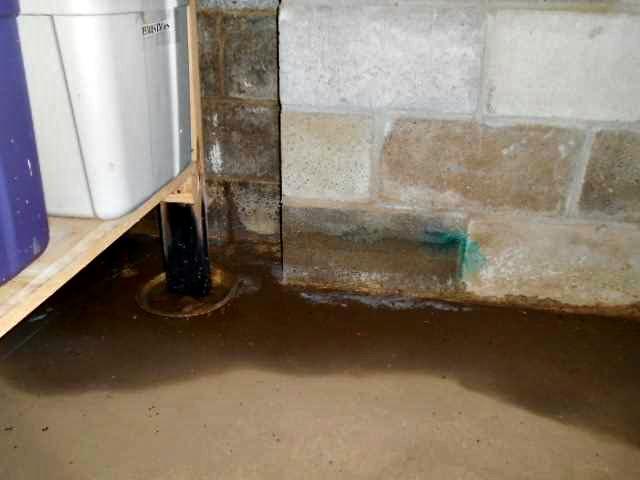
Can Waterproofing Be Applied to Homes That Have Already Suffered Water Damage?
Yes, you can apply waterproofing to homes that have already suffered water damage.
But first, you’ll need a water damage assessment. This identifies the extent of the damage and the most effective waterproofing techniques to use.
It’s crucial to fix any damage before waterproofing. If you don’t, you’re just covering up the problem, and it’ll likely worsen over time.
What Maintenance Is Required After a Home Has Been Waterproofed?
Once your home’s been waterproofed, regular maintenance is essential.
You’ll need to check the waterproofing materials for signs of wear or damage frequently. It’s not a “once and done” task.
Regularly clearing gutters and drains helps prevent water buildup.
Also, keep an eye on your home’s foundation and walls. If you spot any cracks, get them repaired immediately.
Proper upkeep ensures your waterproofing lasts, saving you costly repairs down the line.
Are There Any Eco-Friendly Waterproofing Options Available?
Absolutely, there’re several eco-friendly waterproofing options available!
You can opt for sustainable materials like silicate-based concrete sealers which don’t emit harmful fumes.
Also, green technologies have developed plant-based waterproofing materials that are non-toxic and durable.
So, you’re not only safeguarding your home but also contributing to the environment.
Waterproofing isn’t just a precaution, it’s an investment in your home’s longevity. Don’t let the initial cost deter you; it’s far cheaper than dealing with extensive water damage repairs later. Go beyond short-term fixes, choose quality materials, and consider hiring professionals for the job. Ultimately, the peace of mind, safety, and enhanced resale value are worth every penny. So, take action today and safeguard your property against future water damage.