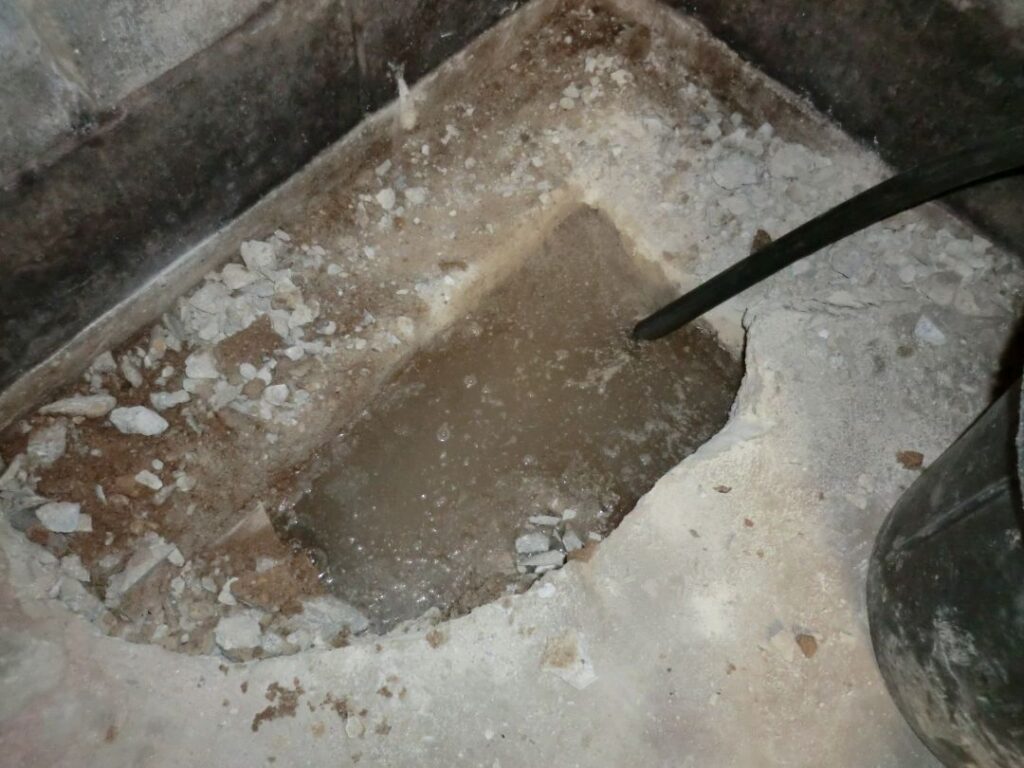
Ever had a flooded basement or crawl space after a heavy downpour? The solution might be simpler than you think. It’s called a drain tile, a cleverly designed system that safeguards your home from water damage. But how does it work? And why is it called a ’tile’ when it’s actually made of perforated pipes? It’s a fascinating subject that you’ll want to explore further, especially if you’re keen on keeping your home dry and safe from the potential perils of unchecked water.
Key Takeaways
- Drain tile is a system using perforated pipes to redirect water away from properties, reducing the risk of basement and crawl space flooding.
- The system operates on gravity, installed at a downward angle to naturally collect and direct rainwater away from the foundation through perforations.
- Key components include perforated pipes, gravel to prevent clogs, and filter fabric to block debris, all installed in a trench around the foundation at footer level.
- Regular maintenance, such as cleaning to prevent clogs and annual inspections, is necessary for the system’s long-term effectiveness and cost savings.
- The system is efficient in preventing water damage to foundations, but common problems include increased humidity, water accumulation, and foundation cracks due to improper drainage.
Understanding the Basics of Drain Tile
When you’re dealing with water problems in your basement or crawl space, a drain tile might be your best solution. It’s a simple yet effective system designed to redirect water away from your property, keeping your space dry and your foundation intact.
Here’s how it works: A drain tile is fundamentally a perforated pipe, typically made from PVC or flexible plastic. It’s installed around the perimeter of your foundation or beneath your basement floor. The pipe collects water that would otherwise infiltrate your basement or crawl space and channels it away from your home.
The ’tile’ in drain tile doesn’t refer to any ceramic or porcelain material. It’s a throwback to the olden days when these systems were made from sections of clay tiles. These days, it’s all about the use of plastic, but the name stuck.
It’s important to remember that a drain tile system isn’t a one-size-fits-all solution. The layout, size, and other specifications of your system will depend on your property’s unique needs.
The Evolution of Drain Tile Systems
Over the years, drain tile systems have seen significant advancements. It’s been a journey from clay tiles to modern plastic pipes. Initially, you’d find drain tiles made of segments of fired clay, a primitive yet effective solution for the time. These systems were labor-intensive, requiring painstaking placement and often leading to inconsistent results.
The mid-20th century introduced concrete drain tiles. These were sturdier and more effective, but they still had drawbacks, such as susceptibility to cracking. Let’s look at this evolution in a table:
| Period | Material |
|---|---|
| Early History | Clay |
| Mid-20th Century | Concrete |
| Late 20th Century | Plastic |
| Today | Perforated Plastic |
Since the late 20th century, drain tiles made from plastic materials have become the norm. They’re lightweight, durable, and easy to install, offering a significant improvement over their predecessors. Today, perforated plastic pipes, wrapped in a sock to keep out debris, are the standard. This evolution showcases the constant innovation in home construction aimed at keeping your space dry and safe. As we move forward, who knows what the future holds for drain tile systems.
Components and Installation Process
Understanding the components and installation process of a drain tile system is essential for any homeowner. This system comprises three basic elements:
- Perforated pipes (drain tiles)
- Gravel or stone
- Filter fabric
The perforated pipes, traditionally made of clay but now often PVC, are the core of the system, placed around your home’s foundation. Surrounding these pipes is the gravel or stone, which acts as a filter, keeping dirt and debris from clogging the pipes. The filter fabric wraps around the gravel layer, providing an additional barrier against soil.
Installing this system requires careful planning and execution. You’ll need to dig a trench around the exterior of your house, at the footer level.
Then, you lay the drain tile in this trench, ensuring it slopes away from your home to carry water out. Next, you’ll cover the drain tile with gravel, wrap it in filter fabric, and fill the trench back up with soil.
While installation might seem challenging, remember that a correctly installed drain tile system is a powerful tool in your fight against water damage.
Don’t hesitate to consult with professionals if you’re unsure.
How Does Drain Tile Work?
Drain tiles work by leveraging the power of gravity. They’re installed at a slight downward angle, so water flows naturally through them, away from your home’s foundation. This ingenious system doesn’t require pumps or electricity to function, just basic physics.
Imagine rainwater pouring down on your house. Without a drain tile system, water can pool around your home, seeping into your basement or even undermining your foundation.
But when you have drain tiles installed, they collect this excess water. The water enters through small perforations in the pipe, then flows along the downward slope, away from your house.
The water will eventually reach the end of the drain tile, which is typically connected to a sump basin, storm sewer, or sometimes just an outlet that leads away from your home. This guarantees the water doesn’t cause any damage to your property.
It’s a remarkably effective solution to a common problem.
Drain Tile System Maintenance Tips
Now, let’s talk about some handy tips for maintaining your drain tile system.
Regular cleaning, early detection of potential problems, and understanding the importance of seasonal maintenance can all help keep your system running smoothly.
You’ll realize that these steps aren’t too troublesome but can save you a lot in the long run.
Regular Drain Tile Cleaning
Regular maintenance of your drain tile system, particularly cleaning, is vital for its longevity. Over time, your drain tile can become clogged with silt, dirt, roots, and other debris. This can cause water to back up into your basement, leading to potential damage.
Hence, it’s important to guarantee that your drain tile system is regularly cleaned and maintained.
Here are some tips for regular drain tile cleaning:
- Regular Inspection: You should inspect your drain tile system at least once a year to guarantee it’s functioning properly. This allows you to spot any potential issues before they become major problems.
- Proper Cleaning Tools: Use a drain snake or a high-pressure water jet for cleaning. These tools can effectively remove any blockages in your drain tile system.
- Professional Help: If you’re not comfortable doing it yourself, don’t hesitate to call a professional. They’ve the necessary tools and expertise to properly clean your drain tile system.
Spotting Potential Issues Early
One can’t overstate the importance of early detection when it comes to issues in your drain tile system. If you’re vigilant, you’ll save yourself a lot of time, money, and stress in the long run.
Start by checking for obvious signs of problems. If you notice any wet spots on your basement floor, it’s a clear indication that your drain tile system isn’t doing its job. Other signs to look out for include a musty smell, mold or mildew, or cracks in the foundation. These are all warning bells that shouldn’t be ignored.
Keep an eye out for changes in your yard as well. If you see unusually damp areas or standing water, it could mean that your drain tile system is failing. Remember, water should be directed away from your house, not towards it.
Lastly, don’t overlook the importance of regular inspections. Even if everything seems fine, there could be hidden issues waiting to cause trouble.
That’s why it’s essential to get your system checked by a professional every few years. They’ll spot any potential problems before they become major headaches. Early detection is your best defense against drain tile system issues.
Seasonal Maintenance Importance
Proactively tending to your drain tile system each season can make a significant difference in its performance and lifespan.
Regular maintenance guarantees that your system remains fully functional, preventing water damage to your basement or foundation.
Seasonal changes bring different conditions that can affect your drain tile system.
Here’s what you need to do:
- Spring Cleaning: After winter, clean out leaves and other debris that may have fallen into the drain. It’s also a good time to check for any damage caused by frost or ice.
- Summer Inspection: In summer, when it’s dry, inspect the pipe for cracks and leaks. If you find any, repair them immediately.
- Autumn Preparation: Before the leaves start to fall, make sure the drain cover is secure to prevent blockages.
Keeping up with these tasks is essential.
Ignoring them can lead to serious problems down the line, from minor leaks to major structural damage.
So don’t put off your drain tile maintenance.
It’s an investment that will pay dividends in the long run by keeping your home dry and your foundation secure.
Common Drain Tile Problems
You’ve done your maintenance, but you’re still encountering issues with your drain tile system.
Don’t fret, it’s not uncommon and there are solutions available.
Let’s now tackle common problems you might face and how you can solve them.
Identifying Drain Tile Issues
 Though they’re often out of sight and out of mind, drain tiles can become problematic if not properly maintained.
It’s crucial to recognize the signs of a failing drain tile system early on to prevent more serious and costly issues down the line.
Here are some telltale signs to look out for:
- An increase in humidity: If you notice a sudden increase in humidity in your basement, it might indicate your drain tile isn’t effectively removing water from around your home’s foundation.
- Water in the basement: This is a clear sign of a drain tile failure. If water is seeping into your basement, it’s likely that the drain tile system can’t handle the amount of water it’s up against.
- Cracks in the foundation: Over time, the pressure from water not being properly drained can cause cracks in your home’s foundation.
Not only does this signal a drain tile issue, but it can also lead to more severe structural problems.
Solutions for Drain Problems
When faced with drain tile problems, acting quickly can help mitigate damage and save you a lot of hassle. Let’s look at some common issues and their solutions.
| Problem | Cause | Solution |
|---|---|---|
| Blocked Drain Tile | Dirt or debris | Clean the system regularly |
| Collapsed Drain Tile | Old or damaged tile | Replace the damaged section |
| Water not draining | Incorrect slope | Adjust the slope of the drain |
| Frequent clogging | Small-sized tile | Upgrade to a larger size |
| Water seepage | Poor sealant | Apply a waterproof sealant |
Blocked drain tiles can often be solved by regular cleaning. If your drain tile has collapsed, it’s likely old or damaged and needs replacing. Incorrect slope can stop water from draining, so adjusting the slope can solve this. If you’re frequently unclogging your drain, it might be time to upgrade to a larger size. Finally, if water is seeping out, try applying a waterproof sealant to fix the issue.
Benefits and Limitations of Drain Tiles
Surprisingly, a large number of homeowners reap the benefits of drain tiles without fully understanding their potential limitations.
Drain tiles are designed to keep your basement dry and protect your home’s foundation from water damage. They’re highly efficient in directing water away from your home, reducing the risk of flooding and moisture buildup. This makes them a worthwhile investment for many homeowners.
However, like any other solution, drain tiles aren’t perfect. Here are a few things you need to take into account:
- Cost: Installation of drain tiles can be expensive. You’ll need to evaluate your budget before deciding on this solution.
- Maintenance: Drain tiles require periodic inspection and cleaning to guarantee they’re working effectively. Neglecting this can lead to system failure.
- Installation: The installation process can be disruptive and time-consuming. You’ll need to be prepared for some inconvenience.
In the end, you need to weigh these limitations against the benefits. If you’re dealing with persistent flooding or moisture issues, drain tiles could be a valuable addition to your home.
But remember, it’s crucial to understand both the benefits and limitations before making a decision.
So, you see, drain tile is your home’s unsung hero, quietly diverting water away to secure a dry, safe environment. It’s evolved over time, with simple installation and basic maintenance being key. However, remember it’s not foolproof, and issues may arise. Despite its limitations, the benefits of drain tile are undeniable. Now that you’re in the know, verify your system is up to par, and don’t hesitate to seek professional help when necessary.