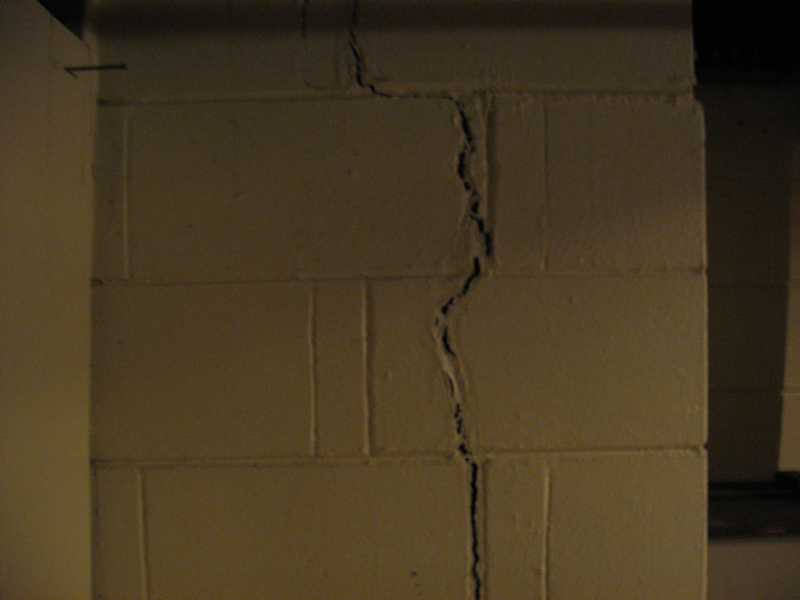
Ever noticed a crack creeping up your home’s foundation? You’re not alone. It’s a common issue faced by many homeowners, often stemming from soil settlement, moisture imbalance, or intrusive tree roots. But how serious is it, really? Depending on the cause, these cracks could be harbingers of structural problems, leading to uneven floors or walls in your abode. Fear not, though. There are ways to fix this, from simple DIY solutions to professional repairs. Let’s explore why this happens and how you can nip it in the bud.
Key Takeaways
- Foundation cracks may be caused by structural issues, soil shifts, tree roots, construction defects, or plumbing leaks.
- Crack indicators like horizontal or diagonal cracks can signify external pressure or differential settling in the foundation.
- Climate and soil factors, like freeze-thaw cycles and soil moisture changes, can significantly impact foundation stability.
- Regular inspection and DIY repair techniques, including sealing small cracks promptly, can help prevent escalation of foundation issues.
- If cracks persist or widen, seeking professional assistance is recommended, as they can provide comprehensive inspections and long-term solutions.
Understanding Foundation Cracks
 Often, you’ll notice cracks appearing in your home’s foundation. It’s a common sight, but it’s also a sign that something’s not quite right. Understanding these cracks, their patterns, and what they mean can help you take the right steps towards fixing them.
To begin with, it’s crucial to know the different foundation types. You’ve got slab foundations, crawl space foundations, and full basement foundations. Each type has its unique characteristics, and the cracks that appear in them can differ significantly.
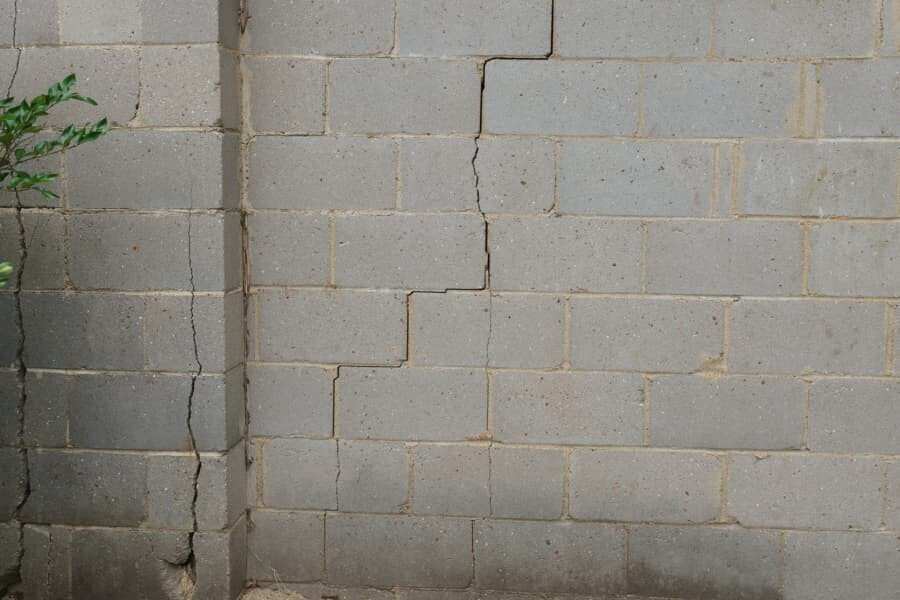
Crack patterns in your foundation can tell you a lot about what’s going wrong. For instance, horizontal cracks often indicate pressure from the soil or water on the outside of your foundation. Vertical cracks, on the other hand, may mean your foundation is settling or sinking. Diagonal cracks suggest differential settling, where one part of your foundation settles faster than the other.
It’s not just about identifying the cracks; it’s about understanding what they represent. By familiarizing yourself with different foundation types and crack patterns, you’re better equipped to tackle the problem head-on.
Common Causes of Foundation Cracks
Surprisingly, the causes of foundation cracks can be numerous and varied.
One common cause is structural integrity problems. Your home’s foundation needs to be strong enough to support its weight. If it isn’t, it might start to crack.
Settlement issues can also cause cracks. When the soil beneath your home shifts, it can lead to uneven pressure on the foundation, causing cracks. This can be exacerbated by drainage problems that lead to water collecting around the base of your house.
Tree roots can cause problems, too. As they grow, they can push against your foundation, causing cracks.
Construction defects are another concern. If your home wasn’t built correctly, you could see cracks in your foundation.
Plumbing leaks can lead to added water pressure on your foundation, causing cracks.
Seismic activity can also cause foundation cracks, especially if you live in an area prone to earthquakes.
Material quality matters, too. Low-quality materials can degrade over time, leading to an aging infrastructure that’s prone to cracks.
Signs of Serious Foundation Issues
While understanding the common causes of foundation cracks is important, recognizing the warning signs of serious foundation problems is equally vital.
It’s not just about aesthetics; it’s about the structural integrity of your home.
When you walk around your home, do you notice heaving floors or uneven walls? These are classic signs of settlement issues. It’s as if your house is slowly sinking into the ground, and it’s a serious problem.
You might also notice water pooling around the foundation of your house. This could indicate a problem with the drainage system, but it could also be a sign of more severe foundation issues.
Next, check your basement. Are there leaks? This is a clear sign of a foundation problem.
Look for mold growth too. It’s not only a health hazard; it also suggests a damp environment, which can wreak havoc on your foundation.
Soil-Related Reasons for Cracking
You may not realize it, but the type of soil your home sits on can greatly impact your foundation.
Changes in soil moisture levels can lead to significant shifts, causing cracks.
Don’t overlook the expansive properties of soil either; they’re another key factor contributing to foundation issues.
Impact of Soil Type
In the realm of foundation problems, the type of soil your house sits on plays a significant role. Certain soil types, due to their composition, can cause your foundation to crack.
Clay, for instance, expands when it’s wet and shrinks when it’s dry, leading to movement that can compromise your foundation.
Soil stability is also a key factor. Loose or sandy soils may not provide the stability your foundation needs, causing it to shift or settle unevenly. On the other hand, solid rock or dense soil provides better support, reducing the risk of foundation issues.
You’re not stuck with the soil you’ve got, though. There are ways to improve your soil’s stability and reduce foundation problems.
Replacing unstable soil with a more solid type, or compacting the soil to increase its density, can help. It’s also possible to strengthen your foundation itself, making it more resistant to soil-related issues.
Soil Moisture Level Effects
Soil moisture levels can also wreak havoc on your foundation. It’s not just about the type of soil that’s underneath your home; it’s also about how much water the soil holds.
Believe it or not, soil moisture levels can fluctuate dramatically, and these changes can impact the stability of your foundation. Consider these sobering points:
- When the soil becomes overly saturated, it can expand and exert pressure on your foundation, causing cracks.
- Conversely, when the soil becomes too dry, it can shrink away from the foundation, creating gaps that destabilize it.
- Inconsistent soil moisture levels can lead to an alternating cycle of expansion and contraction, which can cause serious damage over time.
- Poor moisture management can accelerate these problems, leading to devastating and costly repairs.
It’s clear that soil moisture management is crucial for the health of your foundation. By understanding the effects of soil moisture and taking steps to manage it effectively, you can help prevent foundation cracks and the headaches they bring.
In the next section, we’ll delve into the topic of soil’s expansive properties and how they contribute to foundation damage.
Soil’s Expansive Properties
Ever wondered why some soils seem to cause more damage to foundations than others? It’s all down to the soil’s expansive properties. Certain types of soil, especially expansive clay, can wreak havoc on your home’s foundation.
Expansive clay is your foundation’s worst enemy. It’s characterized by its ability to expand when it absorbs water and shrink when it dries out. This constant cycle of expansion and contraction can put a severe strain on your foundation, leading to cracks and other structural issues.
During wet periods, the waterlogged clay expands, pushing against your foundation with great force. Then, when the weather turns dry, the clay goes through soil shrinkage. As it contracts, it pulls away from your foundation, creating gaps that can destabilize the entire structure.
Unfortunately, you’re not going to change the type of soil you’re dealing with. What you can do, however, is manage its water content. Regularly watering your foundation during dry periods can keep the soil from shrinking too much.
On the other hand, ensuring proper drainage during wet periods can prevent the clay from expanding excessively.
Understanding your soil’s expansive properties is key to maintaining a solid foundation.
Effect of Climate on Your Foundation
Climate directly impacts your foundation’s integrity in ways you mightn’t anticipate.
From extreme heat to severe cold, each weather condition presents unique challenges for your foundation.
In the following section, we’ll discuss these effects and provide strategies for repairing climate-related damage.
Weather Impact on Foundations
Believe it or not, your home’s foundation is significantly influenced by the weather. The changing seasons and their accompanying weather patterns can take a toll on your foundation, causing it to crack and leading to potential flood damage.
Consider this, when water in the soil around your foundation freezes and thaws repeatedly, it expands and contracts. This process, known as freeze-thaw, can exert pressure on your foundation, resulting in cracks.
But it’s not just freeze-thaw you need to worry about. Here are more weather-induced issues that can harm your foundation:
- Prolonged dry spells: These can cause soil shrinkage, creating gaps where your foundation can settle or shift.
- Heavy rainfall: This can lead to soil expansion, which exerts pressure on your foundation.
- Floods: Apart from causing flood damage, they can erode the soil supporting your foundation.
- High winds: They can cause shifts in the soil structure, destabilizing your foundation.
In understanding the weather’s impact on your foundation, you’re better equipped to take preventative measures. Remember, knowing is half the battle. Don’t let the weather have its way with your home’s foundation.
Repairing Climate-Related Damage
When you’re up against the effects of climate on your foundation, it’s time to take action. Climate adaptation strategies are your best weapon in this fight. These strategies involve making changes to your foundation that will help it withstand climate-related stress.
Don’t underestimate the power of sustainable materials, either. These materials are designed to be more durable and resilient than traditional materials, which means they’re better equipped to handle the demands of a changing climate.
You might find the following table helpful. It provides a quick comparison of traditional and sustainable materials.
| Traditional Materials | Sustainable Materials |
|---|---|
| Concrete | Recycled concrete |
| Steel | Recycled steel |
| Wood | Reclaimed wood |
| Asphalt | Permeable pavement |
| PVC | Recycled plastic |
How to Inspect Your Foundation
Taking a good look at your foundation is an essential first step in addressing any problems.
But don’t just glance at it, you need to inspect it. You’ll need the right foundation inspection tools and some seasonal inspection tips to get you started.
First off, grab a flashlight, a screwdriver, and a level. The flashlight will help you see into the darkest corners, while the screwdriver will be used to probe for rot and insect damage.
The level, on the other hand, is for checking that the foundation walls are straight.
Now, let’s go over some seasonal inspection tips:
- Spring: Look for water accumulation around the base after the winter thaw.
- Summer: Check for cracks from the drying and contracting soil.
- Autumn: Make sure gutters are clear to prevent water seepage.
- Winter: Monitor for frost heave or shifting due to freezing and thawing.
DIY Foundation Crack Repairs
A large number of homeowners may be intimidated by the thought of repairing foundation cracks themselves. However, with the right DIY materials and repair techniques, you can easily tackle this task.
Start by understanding the cost considerations. While professional services can be pricey, DIY repairs are relatively inexpensive. You’ll need tool essentials like a caulking gun, a putty knife, and a wire brush. These are typically affordable and can be found at local hardware stores.
Safety precautions can’t be overstressed. Always wear protective gear, especially gloves and goggles, to prevent injuries. Also, ensure your workspace is well-lit and ventilated.
Regular seasonal checks are crucial. Cracks may worsen during winter due to freezing and thawing cycles. Therefore, inspect your foundation regularly, ideally every season, to prevent minor cracks from escalating.
When to Call a Professional
Despite your best DIY efforts, there come times when the cracks in your foundation shout for professional help.
It’s not a weakness to admit you’re out of your depth. This is about the integrity of your home. You’re smart enough to know when the situation calls for a professional assessment.
When should you make that call? Here are four red flags:
- You notice horizontal or stair-step cracks. These are signs of serious foundation issues.
- The cracks in your foundation continually grow wider, a clear indication that the problem is worsening.
- Doors and windows are sticking, or there are visible gaps between the walls and ceilings. These suggest a shifting foundation.
- You’ve attempted DIY fixes, but the cracks keep returning.
In these situations, you need a foundation inspection.
A professional will provide an in-depth look at the state of your home’s foundation. They’ll identify the source of the problem and recommend the best way to fix it.
Remember, it’s not just about patching up cracks; it’s about ensuring the long-term stability of your home.
Preventative Measures for Future Cracks
 Keeping your home’s foundation crack-free is easier when you take preventative measures. One key strategy is preventative landscaping. Strategic planting and soil management can reduce water accumulation near your foundation. You don’t want trees too close, as their roots can disrupt your foundation. Similarly, your yard should slope away from your home, directing water elsewhere.
Regular maintenance is equally important. Don’t overlook small cracks. They’re often signs of bigger problems. Sealing them promptly can prevent more serious damage. Regularly inspect your foundation for any signs of stress. It’s important to keep an eye out for water leaks, as they can weaken your foundation over time.
Moisture management, in general, is crucial. Ensure your gutters and downspouts are functioning well, directing water away from your foundation. If you live in an area with heavy rainfall or snow, consider a sump pump or perimeter drain.
Lastly, engage professionals for periodic inspections. They can spot issues you might miss and offer valuable advice. Remember, catching issues early is easier and cheaper than dealing with significant repairs. Protect your home by being proactive.
Frequently Asked Questions
Is Foundation Cracking Covered by Homeowners Insurance?
Typically, your homeowner’s insurance mightn’t cover foundation cracking. It’s often considered ‘wear and tear’.
However, if it’s caused by a covered peril like a flood, you could be in luck. You should get a foundation inspection to determine the cause.
Then, if it’s covered, you can file an insurance claim. Always check your policy’s specifics, though. Every insurance company’s coverage varies.
How Much Does a Professional Foundation Repair Typically Cost?
You’re probably wondering about the cost of professional foundation repair.
It’s not a one-size-fits-all answer. Prices vary greatly depending on the severity of the damage and the repair methods used.
Simple repairs might cost a few hundred dollars, while major fixes could run into the thousands.
It’s best to get multiple quotes and understand the cost factors before proceeding.
How Long Does a Foundation Repair Process Usually Take?
The length of a foundation repair process can vary based on the severity of the damage and the repair methods used.
However, most jobs take about 2-3 days.
But remember, it’s not about speed, it’s about restoring your foundation’s stability.
So, don’t rush it.
You’ll want to ensure the job’s done right, so your home stands strong for years to come.
Always consult with professionals for accurate timeframes and quality work.
Are There Any Health Risks Associated With Foundation Cracks?
Yes, there can be health risks associated with foundation cracks.
They’re not just a threat to your home’s structural integrity. When you have cracks, moisture can seep in, creating a perfect breeding ground for mold and mildew.
Breathing in mold spores can lead to respiratory issues, especially for those with asthma or allergies.
It’s not just about fixing a crack, it’s about protecting your health too.
Can I Sell My House if It Has Foundation Cracks?
Yes, you can sell your house with foundation cracks.
However, you’ll need to disclose these issues to potential buyers. This foundation disclosure could affect buyer perceptions, possibly making your house less appealing or lowering its value.
It’s best to consult a professional for repair options. That couldn’t only increase your home’s value but also give you peace of mind during the selling process.
So, you’ve got some foundation cracks. Understanding the causes, from soil issues to climate effects, is crucial. Regular inspections can catch minor problems early, and DIY repairs can handle small cracks. But if your foundation’s issues are severe, bring in a professional. Don’t forget, prevention is key; address drainage problems and other causes to keep future cracks at bay. Remember, your home’s stability is at stake, so don’t ignore the signs.