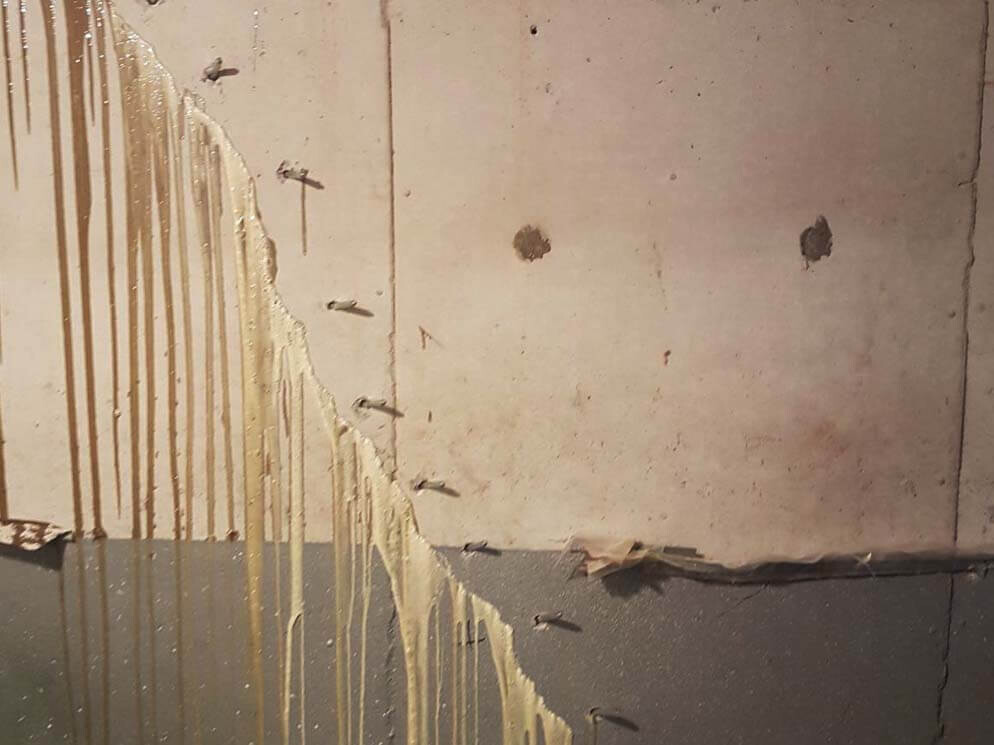
A crack in a foundation wall can send shivers down the spine of any homeowner. It’s often a sign of underlying issues that need to be addressed promptly to prevent further damage to the structure of the home. Foundation wall cracks can range from minor cosmetic nuisances to serious structural problems, and understanding their causes, types, and solutions is crucial for maintaining the integrity of a building.
1. Causes of Foundation Wall Cracks
Foundation wall cracks can develop due to various factors, both natural and man-made. Understanding these causes is essential for effectively addressing the issue:
Soil Movement: One of the primary causes of foundation wall cracks is the movement of the soil surrounding the foundation. Soil expands and contracts due to changes in moisture levels, temperature variations, and even seismic activity. This constant movement exerts pressure on the foundation walls, leading to cracks over time.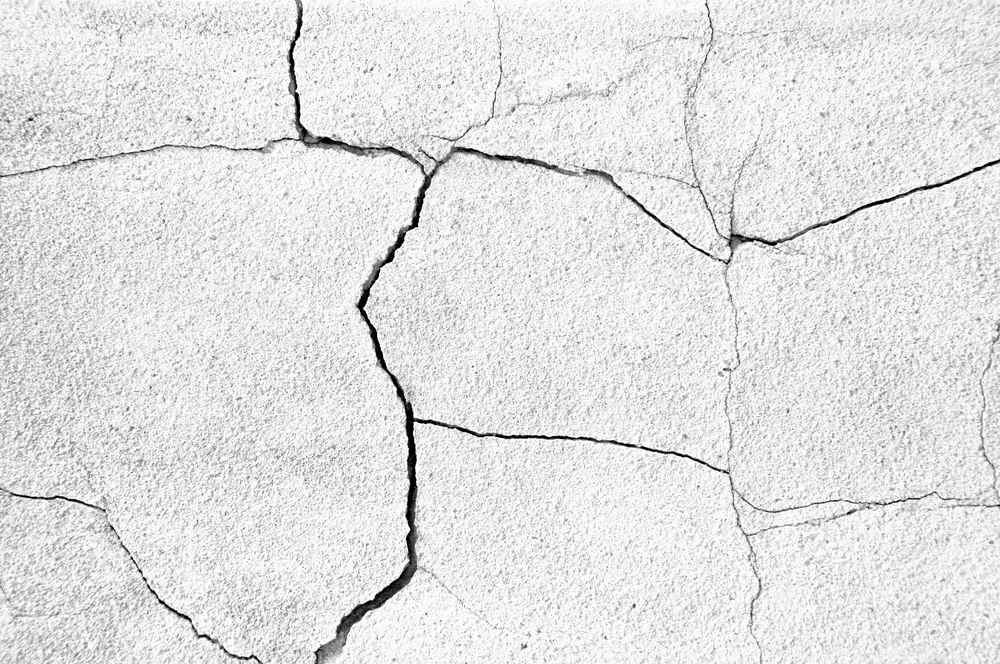
Poor Construction: Inadequate construction practices, such as the use of low-quality materials or improper reinforcement, can result in weak foundation walls prone to cracking. Poorly compacted soil beneath the foundation can also contribute to settling and cracking.
Hydrostatic Pressure: Excessive moisture in the soil surrounding the foundation can exert hydrostatic pressure, pushing against the walls and causing them to crack. Poor drainage systems, heavy rainfall, or plumbing leaks near the foundation can exacerbate this issue.
Tree Roots: The roots of nearby trees and shrubs can exert significant pressure on foundation walls as they seek water and nutrients from the soil. Over time, this pressure can lead to cracks or even structural damage.
Shifting Ground: Geological factors such as earthquakes, landslides, or sinkholes can cause the ground beneath a building to shift suddenly, putting immense stress on the foundation walls and resulting in cracks.
2. Types of Foundation Wall Cracks
Foundation wall cracks can manifest in various forms, each indicative of different underlying causes and severity levels:
Vertical Cracks: Vertical cracks that run straight up and down are among the most common types of foundation wall cracks. They often result from normal settling or minor shifts in the soil and are typically less severe than horizontal cracks.
Horizontal Cracks: Horizontal cracks that run parallel to the ground are more concerning and may indicate significant pressure or movement against the foundation walls. These cracks can compromise the structural integrity of the building and require immediate attention.
Diagonal Cracks: Diagonal cracks that slope at an angle across the wall may indicate differential settlement or soil movement. Depending on the severity and location of the cracks, they may warrant further investigation by a structural engineer.
Stair-Step Cracks: Stair-step cracks occur when horizontal and vertical cracks intersect, resembling a staircase pattern. These cracks are often associated with foundation settlement or lateral pressure and should be addressed promptly to prevent further damage.
Hairline Cracks: Hairline cracks are very thin cracks that may appear insignificant at first but can widen over time, especially if left untreated. While they may not pose an immediate threat, they can be indicative of underlying issues and should be monitored closely.
3. Solutions for Foundation Wall Cracks
Addressing foundation wall cracks requires a thorough understanding of the underlying causes and appropriate remediation techniques. Here are some common solutions:
Crack Injection: For minor cracks, crack injection techniques involving the injection of epoxy or polyurethane resins can effectively fill and seal the cracks, preventing water intrusion and further deterioration.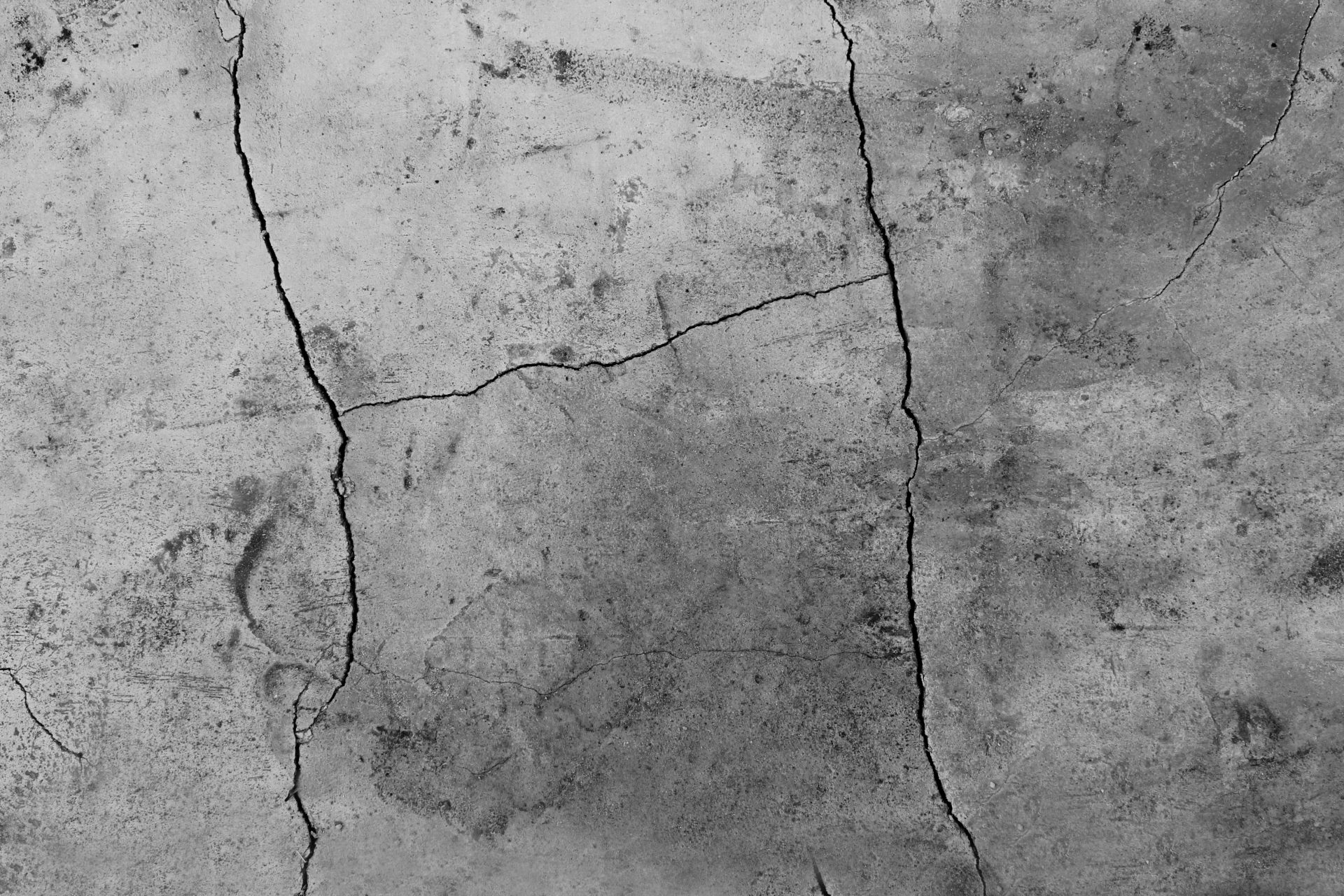
Carbon Fiber Reinforcement: Carbon fiber strips or plates can be installed along the cracked areas to provide additional reinforcement and prevent further movement or widening of the cracks.
Underpinning: In cases of significant foundation settlement, underpinning techniques such as helical piers or steel push piers may be employed to stabilize the foundation and lift it back to its original position.
Grading and Drainage Improvements: Improving the grading around the foundation and installing proper drainage systems can help alleviate hydrostatic pressure and prevent moisture-related issues that contribute to foundation wall cracks.
Tree Root Management: If tree roots are exerting pressure on the foundation walls, professional tree trimming or removal may be necessary to mitigate the risk of further damage.
Professional Inspection and Repair: In cases of severe or extensive cracking, it’s essential to consult with a qualified structural engineer or foundation repair specialist to assess the extent of the damage and recommend appropriate repair solutions.
Foundation wall cracks are a common issue faced by homeowners, but they should not be ignored. Understanding the causes, types, and solutions for foundation wall cracks is essential for maintaining the structural integrity and safety of a building. By addressing cracks promptly and employing appropriate remediation techniques, homeowners can protect their investments and ensure the long-term stability of their homes. Regular inspections and maintenance are key to identifying and addressing potential issues before they escalate into more significant problems.
Contact the Professionals at Accurate Basement Repair Today! 414-744-6900