Is It Spring Humidity or a Real Basement Water Problem?
Wisconsin basements get damp in spring. That’s not unusual. The ground thaws, snowmelt works its way down, and the air outside carries more moisture than it did two months ago. Some of what you’re noticing in your basement this time of year is seasonal and temporary. Some of it isn’t. Knowing which is which matters, because the things that look similar on the surface can have very different causes and very different consequences if left alone.
What Normal Spring Humidity Looks Like
Condensation is the most common sign of seasonal humidity in a basement. When warm, moist air from outside moves into a cooler basement, it hits cold surfaces like pipes, walls, and windows and releases moisture. The result is beading on exposed pipes, foggy window glass, or a general damp feeling in the air. This tends to follow a pattern: it shows up when the temperature swings, gets worse when windows or doors are left open on warm days, and improves when you run a dehumidifier or the outdoor temperature stabilizes.
Seasonal humidity affects the whole basement fairly evenly. If the dampness you’re noticing doesn’t seem tied to a specific wall, corner, or spot on the floor, and it clears up with airflow or dehumidification, it’s likely condensation rather than intrusion.
What an Actual Water Problem Looks Like
Water intrusion follows a different pattern. It comes from somewhere specific: a crack in the wall, the joint where the floor meets the wall, a window well that’s collecting water, or a drain tile system that’s no longer doing its job. The signs tend to be localized and persistent rather than general and temporary.
A few things to look for:
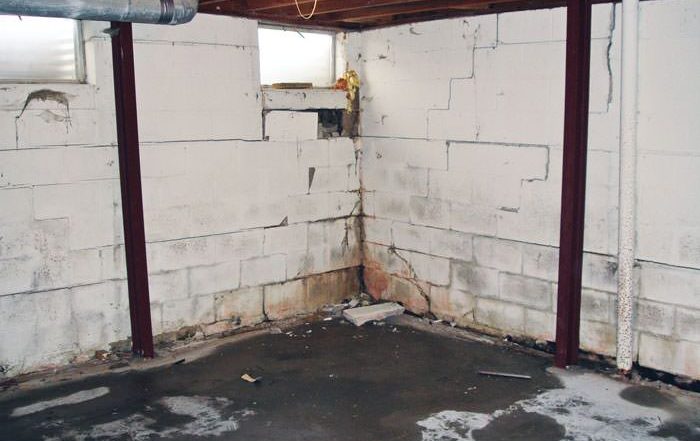
- Water stains on walls or floors: White mineral deposits, known as efflorescence, form when water moves through concrete and leaves minerals behind as it evaporates. Staining that follows a wall crack or runs down from a specific point on the wall is a sign of water finding a path in.
- Wet spots that return after drying: Seasonal condensation dries up on its own when conditions change. Water intrusion comes back because the source hasn’t been addressed.
- Pooling water after heavy rain or snowmelt: If your basement floor is wet after a significant rain event or during peak snowmelt in March or April, water is getting in from outside. That’s not humidity.
- Musty odors that don’t clear up: Condensation can make a basement smell damp temporarily. A persistent musty odor, especially one that’s strongest near the floor or in a specific corner, usually points to moisture that’s been sitting long enough to support mold growth.
- Rust stains: Rust on a floor drain cover, on the base of metal shelving, or along the bottom of a steel support column indicates ongoing moisture at floor level, not just seasonal air humidity.
If more than one of these is present, the problem goes beyond spring air.
Why Wisconsin Springs Make This Harder to Sort Out
March and April in the Milwaukee area push a lot of water into the ground in a short period of time. Frozen soil that spent all winter blocking drainage suddenly thaws, and snowmelt that accumulated over months starts moving downward at once. The ground can only absorb so much, and hydrostatic pressure against basement walls and floors builds faster than at almost any other time of year.
This means that water intrusion problems that were quiet all winter can show up suddenly in spring, at the same time seasonal condensation is also picking up. A basement that felt fine in January may show signs of both in April, which makes it easy to chalk everything up to the season and wait it out. Some homeowners do that for years before realizing the water stains and musty smell aren’t going away.
When to Have It Looked At
Condensation on pipes and windows in April doesn’t require a phone call. Running a dehumidifier and improving ventilation are reasonable first steps for seasonal humidity. But there are limits to what a store-bought dehumidifier or an open window can do. If the moisture is coming through the walls or up through the floor, no amount of airflow addresses the source. You’re managing symptoms rather than fixing the problem.
If you’re seeing staining, recurring wet spots, or water pooling after rain, those aren’t going to resolve on their own. The same goes for a musty smell that’s been there since last spring, or stored items in the basement that have started showing water damage, rust, or mold on the bottom. Cardboard boxes that keep getting soft, metal shelving that keeps rusting out, or belongings you’ve had to throw away after a wet spring are signs that the moisture level down there is beyond what seasonal air changes can explain.
Drain tile systems fail over time. Cracks in walls and floor joints let water in. When the underlying problem is structural or drainage-related, getting an assessment before the problem gets worse is the more practical path. In most cases it costs nothing to find out what you’re actually dealing with.
Accurate Basement Repair Has Been Solving Milwaukee Basement Water Problems Since 2008
Accurate Basement Repair has worked on basements across the Milwaukee area long enough to know what Wisconsin springs do to them. Our waterproofing work is backed by the Guaranteed Solutions for Life warranty, which covers both the labor and the products installed. Every assessment is free, comes with no sales pressure, and gives you an honest picture of what’s actually happening in your basement.If your basement has been showing signs you’ve been putting off looking into, schedule your free estimate before the next round of spring rain makes it worse.