By Matthew Monreal, General Manager
Key Takeaways: Is Crawl Space Encapsulation Worth It?
- Bottom Line: Yes, especially for homes with damp, vented crawl spaces. Encapsulation reduces moisture buildup, protects wood framing, and improves energy efficiency.
- Milwaukee climate considerations: Cold winters, freeze-thaw cycles, and humid summers increase the risk of moisture problems in crawl spaces, mold growth, and wood rot.
- Cost vs. benefits: Crawl space encapsulation costs vary based on size, materials, and existing moisture issues. Long-term benefits include potential energy savings and fewer moisture-related repairs.
Crawl space encapsulation seals the area beneath your home with a heavy-duty vapor barrier to reduce moisture, outside air, and pest entry. But is crawl space encapsulation worth it for homeowners in Milwaukee and Southeastern Wisconsin?
Accurate Basement Repair serves homeowners throughout Milwaukee and Southeastern Wisconsin, addressing crawl space moisture and foundation concerns. This guide explains how encapsulation works, what affects the cost, and when it’s worth the investment.
What Is Crawl Space Encapsulation?
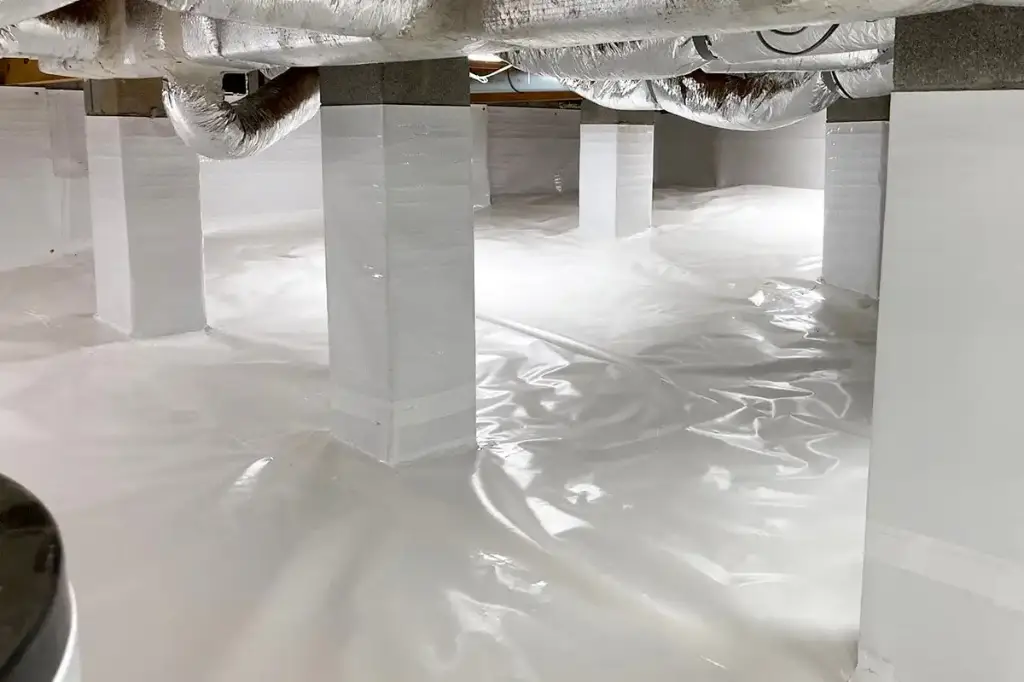
Crawl space encapsulation involves sealing the floor, walls, and vents with a heavy-duty moisture barrier to keep ground moisture and humid outside air out. Unlike a basic vapor barrier, full encapsulation creates a more controlled environment beneath your home.
Encapsulation vs. a Basic Vapor Barrier — What’s the Difference?
A basic vapor barrier typically uses a thin, 6-mil plastic sheet to cover exposed soil and block ground moisture. Full encapsulation builds on the same principle as a vapor barrier but uses a thicker liner (typically 12–20 mil) across the floor and walls, along with sealed vents, an airtight crawl space door, and humidity control for better moisture protection.
What Does a Full Encapsulation System Include?
A complete crawl space encapsulation system typically includes:
- Heavy-duty vapor barrier: Covers the floor and walls to block ground moisture.
- Sealed vents: Limit humid outdoor air from entering.
- Airtight crawl space door: Closes gaps that allow outside air and pests inside.
- Dehumidifier: Controls humidity levels, especially during Southeastern Wisconsin’s humid summers.
- Drainage system: Addresses standing water or active water intrusion before encapsulation.
Benefits of Crawl Space Encapsulation for Milwaukee Homeowners
Crawl space encapsulation protects your home from moisture problems common in Milwaukee and Southeastern Wisconsin.
Key benefits include:
- Reduced moisture and mold risk: Sealing the crawl space limits humid air and ground moisture, reducing conditions that encourage mold growth.
- Lower energy bills: Encapsulation reduces air leaks and heat loss, improving energy efficiency and potentially lowering heating and cooling costs.
- Protection of structural framing: Keeping moisture out protects wooden floor joists and support beams from rot and moisture-related damage.
- Improved indoor air quality: Sealing the crawl space reduces the movement of musty odors, mold spores, and other airborne contaminants into your living areas.
- Better home resale appeal: A dry, well-maintained crawl space addresses common moisture concerns during home inspections and gives potential buyers greater peace of mind.
How Much Does Crawl Space Encapsulation Cost in Milwaukee?
Milwaukee and Southeastern Wisconsin homeowners typically spend $4,545 to $16,183.38 for crawl space encapsulation, depending on the size and condition of their crawl space, materials, and existing moisture problems.
Factors that affect crawl space encapsulation cost include:
- Crawl space size: Larger spaces require more materials and labor.
- Vapor barrier thickness: Thicker, more durable liners generally cost more.
- Vent sealing: Open vents require sealing or covers to keep outside air out.
- Dehumidifier installation: Adding humidity control increases the total cost.
- Water and drainage issues: Existing leaks or standing water often require crawl space waterproofing and drainage before encapsulation.
- Accessibility: Tight or difficult-to-reach spaces often require additional labor.
For homeowners in Milwaukee and Southeastern Wisconsin, a professional crawl space inspection provides the most accurate estimate. Accurate Basement Repair evaluates your crawl space’s condition and recommends the work needed to address moisture problems.
When Is Crawl Space Encapsulation NOT Worth It?
Crawl space encapsulation isn’t always the right solution, especially when other problems need attention first. Consider these situations before investing in encapsulation:
- Existing structural damage: Rotted floor joists, damaged supports, or foundation cracks require crawl space repairs before encapsulation.
- No significant moisture issues: A dry, well-maintained crawl space with effective moisture control might not require full encapsulation.
- Planned basement conversion: If you plan to convert your crawl space into a full basement, address the conversion instead of investing in encapsulation.
- Limited budget: Incomplete encapsulation without proper sealing or moisture control might leave problems unresolved. Addressing drainage issues or installing a basic vapor barrier might offer a more practical starting point.
What to Expect From the Encapsulation Process
Crawl space encapsulation involves inspecting the area, preparing the surfaces, installing moisture barriers, and controlling humidity. Here’s what to expect during each stage.
Before the Work Starts: Inspection and Prep
A professional inspection identifies moisture problems, mold, damaged floor joists, drainage issues, and signs of pests. Before installation, crews remove debris, old vapor barriers, and damaged materials as needed to prepare the crawl space.
Installation Day: What Happens in Your Crawl Space
Crews install a heavy-duty vapor barrier across the floor and walls, then seal the seams to block moisture. Next, they seal vents, secure the crawl space door, and install a dehumidifier or other humidity-control system as needed.
After Encapsulation: Maintenance and Monitoring
Check your dehumidifier and drainage system regularly, and monitor moisture levels with a humidity meter. Inspect the vapor barrier annually for tears or gaps to catch small issues before they lead to costly repairs.
Protect Your Milwaukee Home From Crawl Space Moisture
Not sure if crawl space encapsulation is the right investment for your home? Accurate Basement Repair helps homeowners throughout Milwaukee and Southeastern Wisconsin identify crawl space moisture issues and determine the right next steps.
Schedule an inspection to understand your crawl space’s condition, explore your options, and make an informed decision about protecting your home’s foundation and structural framing.